
Can You Use Stork Instead of Butter in Cakes? The UK Baker's Swap Guide
Halfway through a sponge with only a tub of Stork in the fridge? Here is the honest answer to can you use Stork instead of butter in cakes: when the swap works beautifully, the block vs tub difference that actually matters, and the bakes where butter is still worth it.
The Short Answer
Yes. In sponge cakes you can swap Stork for butter gram for gram, with no other changes to the recipe. Use the Stork Original baking block or the Stork baking tub — both are 70% vegetable fat spreads made specifically for baking. Mary Berry uses baking spread straight from the fridge in her all-in-one sponges. Keep real butter for buttercream, shortbread and pastry, where butter itself is the main flavour.
The Short Answer: Yes, Swap Gram for Gram
Yes — you can use Stork instead of butter in cakes, and in a standard sponge the swap could not be simpler: use exactly the same weight. If the recipe asks for 225g of butter, use 225g of Stork. There is no need to adjust the flour, sugar, eggs or liquid in a Victoria sponge, a traybake or most everyday cakes.
The only real catch is which Stork you reach for. Stork sells a foil-wrapped baking block and a soft baking spread in a tub, and both are proper baking products with enough fat to behave like butter in the oven. The spreads that cause trouble are the low-fat and 'light' tubs designed for sandwiches, which are a completely different product. Get that one choice right and the swap is as close to foolproof as baking gets — which is precisely why Mary Berry has baked her sponges this way for decades.
Stork Block vs Stork Tub: What Is Actually Different?
Check the labels in any UK supermarket and both are currently sold as a 70% vegetable fat spread:
- Stork Original Baking Block (250g, foil-wrapped): 70g fat per 100g, of which 26g is saturates. The higher saturates make it firm, like a block of butter. It creams, rubs in and rolls out properly, so this is the one to use for biscuits, pastry and any recipe that starts with 'rub the fat into the flour'.
- Stork Original Baking Spread (tub, 500g or 1kg): Also 70g fat per 100g, but with slightly fewer saturates (23g), which keeps it soft and spoonable straight from the fridge. It is blended for all-in-one sponges, where everything is beaten together in one bowl.
- Everyday and 'light' spreads: These are not baking spreads. Light spreads and sandwich spreads can be as low as 40–60% fat, and the rest is mostly water. That extra water turns cake batter heavy and can leave you with a dense, soggy sponge — one of the classic causes in our guide to why cakes sink in the middle.
The rule is simple: if the label says around 70% fat and the word 'baking', you are safe. If it says 'light', put it back.
Stork vs Butter: Fat, Water and Why It Matters
The whole Stork-versus-butter question comes down to two numbers:
- Butter: Around 80–82% fat, with roughly 16% water and a little milk solid. That high fat content is what gives butter its rich flavour and firm set.
- Stork baking spread (block or tub): 70% fat, so roughly 10% more of it is water compared with butter.
In the mixing bowl, that small difference has three effects. First, cakes made with Stork tend to rise evenly and bake up light and soft, because the spread is blended with emulsifiers that help the batter trap air and come together quickly without curdling. Second, the crumb is usually a touch moister and more tender. Third — and this is the honest trade-off — the flavour is milder and more neutral. Butter brings its own rich, dairy flavour to a bake; Stork steps back and lets the vanilla, lemon or chocolate do the talking.
Neither is 'better' in the abstract — they are simply different tools, and the sections below will help you pick the right one.
Why Mary Berry Bakes Her Sponges With Baking Spread
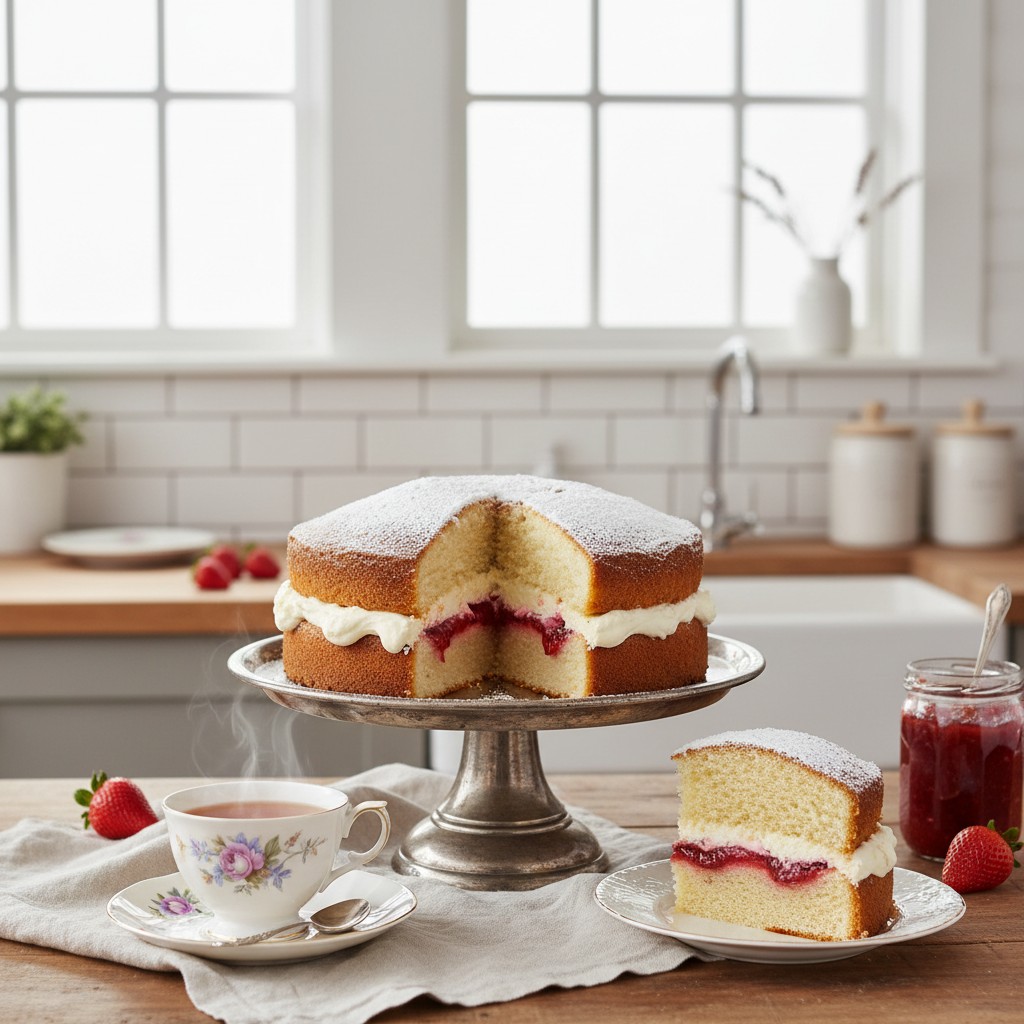
If anyone has settled this debate, it is Mary Berry. Her famous all-in-one method — the one behind her Classic Victoria Sponge — was built around baking spread. Her recipe specifies baking spread such as Stork, used straight from the fridge, with the flour, sugar, eggs and baking powder beaten together in a single bowl for about a minute.
There is a practical reason it works so well. Butter for an all-in-one cake has to be extremely soft, or it beats into little lumps and can curdle the eggs. Baking spread is engineered to be soft at fridge temperature, so it blends instantly and evenly, every single time. No waiting around for butter to soften, no creaming stage, no guesswork.
Mary's position has never been that butter is wrong — it is that for a light, reliable, everyday sponge, baking spread is the more foolproof choice. If you do use butter in an all-in-one recipe, take the time to get it genuinely soft first, or the method loses its magic.
Where Stork Works Beautifully
Reach for Stork with complete confidence in any of these:
- All-in-one sponges and Victoria sandwiches: This is what the tub was made for. Light, even, reliable.
- Traybakes and school-style cakes: Old-school sponge with icing and sprinkles is traditionally made with baking spread.
- Muffins and quick loaf cakes: The fat is a background player, so the swap is invisible.
- Carrot cake and spiced cakes: Cinnamon, ginger and mixed spice carry the flavour, so butter would be wasted here anyway.
- Chocolate cakes: Cocoa dominates the flavour; the spread simply provides the moist crumb. Try the swap in our All-In-One Chocolate Cake.
- Fruit cakes and tea breads: Fruit, treacle and sugar provide the richness.
- Dairy-free baking: The current Stork baking range is plant-based and certified vegan — handy for dairy-free bakes, though always check the label.
Stork is also typically cheaper than butter, which matters when you are baking for a school fair, a bake sale or a hungry family every week.
Where Butter Still Wins
There are bakes where swapping to Stork is technically possible but genuinely not as good. Butter earns its place in:
- Buttercream: Buttercream is mostly butter, so the flavour is butter. A spread-based version tastes flat, sets softer and is more prone to splitting — if yours has gone wrong, see how to fix grainy, split buttercream.
- Shortbread: With only three ingredients, there is nowhere for a substitute to hide. Shortbread made with spread is pale in flavour compared with the real thing.
- Biscuits where butter is the point: Viennese whirls, butter cookies and melting moments all trade on butter flavour. The Stork block will work, but butter tastes better.
- Flaky pastry and croissants: These depend on butter's firm, clean-melting layers. Everyday shortcrust is fine with the block; anything laminated wants butter.
- Toffee, fudge and caramel sauces: These need butter's milk solids for their deep, browned flavour. Spread versions taste thin and can split.
A good rule of thumb: the fewer the ingredients and the plainer the bake, the more butter matters.
How to Swap Stork for Butter (and 4 Mistakes to Avoid)
Follow these rules and the swap will work every time:
- Swap by weight, 1:1. 225g of butter becomes 225g of Stork. No other changes.
- Match the product to the method. Tub for all-in-one sponges; block for creaming, rubbing in, biscuits and pastry.
- Use room-temperature eggs. Cold eggs can curdle any batter. Baking spread is more forgiving than butter here, but warm eggs still give the best rise.
- Skip the extra pinch of salt. Stork is lightly salted (around 1.4–1.5%), so in a plain sponge you can leave out any additional salt the recipe lists.
And the four mistakes that ruin the swap:
- 1. Using a 'light' spread. At 40–60% fat it is mostly water and will give you a heavy, damp cake.
- 2. Using the soft tub for pastry. It is too soft to rub in properly and makes pastry greasy and tough. Use the block.
- 3. Expecting butter flavour in a plain sponge. A vanilla sponge on Stork is lovely and light, but if butter flavour is what you are craving, use butter.
- 4. Overbeating to compensate. Spread batters come together fast. Beat an all-in-one for about a minute, then stop — overbeating develops gluten and toughens the crumb, whatever fat you use. For the flour side of the equation, our guide to self-raising vs plain flour explains the ratios that keep sponges light.
Taste and Texture: What Actually Changes
Side by side, most people notice the texture before the taste. A Stork sponge is usually slightly lighter, softer and more even-crumbed, with a moistness that — in many bakers' experience — keeps well into the next day. A butter sponge is a fraction firmer, with a richer, more rounded flavour and a more golden crumb.
How much you notice depends entirely on the cake. In a strongly flavoured bake — chocolate, coffee, lemon, ginger — the difference is close to undetectable, and plenty of tasters prefer the lighter result. In a completely plain vanilla sponge, where there is nothing to hide behind, butter's flavour edge shows.
Our honest advice: bake your next all-in-one sponge with Stork and your next shortbread with butter, and you will be using each fat exactly where it shines.
✨ Mary Berry's All-in-One Rule
"For an all-in-one sponge, baking spread is the reliable choice: it beats straight from the fridge, so there is no waiting for butter to soften. Just make sure your eggs are at room temperature, or even a spread batter can curdle."
Frequently Asked Questions
Can I use Stork from the tub instead of butter in a Victoria sponge?
Yes — that is exactly what the tub is made for. Use the same weight as the butter in the recipe, beat it straight from the fridge with the other ingredients using the all-in-one method, and bake as normal. The result is a light, even sponge.
Can I use Stork instead of butter in buttercream?
You can, but we don't recommend it. Buttercream made with baking spread tastes noticeably flatter, stays softer and is more likely to split or turn grainy. Buttercream is one of the places where real butter is worth it.
Is Stork or butter better for cakes?
Neither wins outright. Stork (baking spread) is better for light, reliable everyday sponges — especially all-in-one cakes — and is typically cheaper. Butter is better wherever its flavour is the star: shortbread, buttercream, plain biscuits and pastry. Match the fat to the bake.
Charlotte Davies
Lead Culinary Editor & British Baking Specialist
Passionate British baker and food writer specialising in traditional British home baking, foolproof kitchen science, and Mary Berry-inspired recipes.
More Helpful Baking Guides
 Ingredient Substitutions
Caster Sugar vs Granulated Sugar: Does It Matter in Baking?
Caster sugar and granulated sugar are the same ingredient milled to different sizes — but that size changes how they dissolve, cream and measure. Here is when the difference matters, when it doesn't, and how to swap them gram for gram.
 Ingredient Substitutions
Buttermilk Substitute UK: 5 Easy Swaps That Actually Work
Halfway through a scone recipe and there's no buttermilk in the fridge? Here is the honest answer to the buttermilk substitute UK question: five swaps that actually work, with the exact ratios for each, and which one to reach for depending on what you're baking.