
Self-Raising Flour vs Plain Flour: The Definitive UK Baker's Guide & Conversion Ratios
Caught in the middle of a recipe with only plain flour in your cupboard? Here is the complete chemical guide to UK self-raising flour vs plain flour, exact gram-for-gram conversion ratios, and how to avoid ruined cakes and pastries.

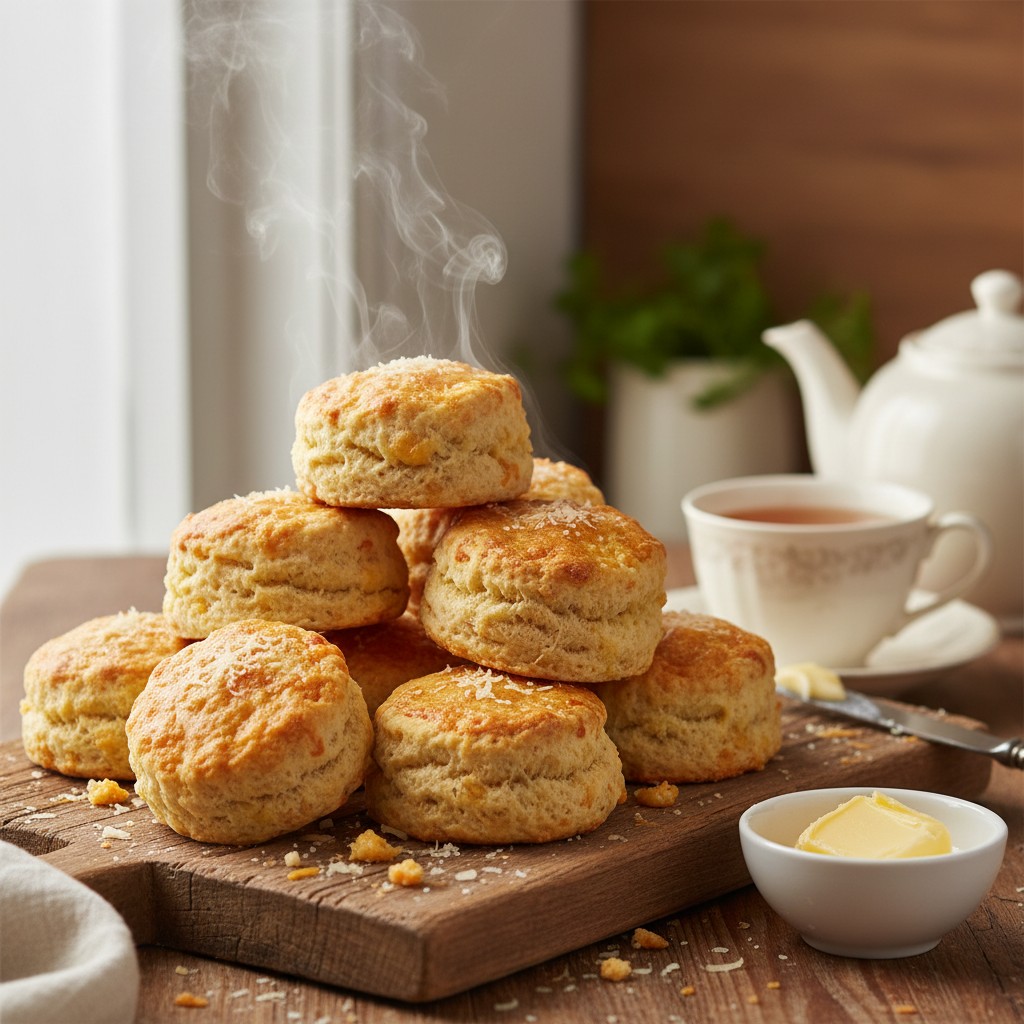
Quick Conversion: How to Make UK Self-Raising Flour
To turn Plain Flour into UK Self-Raising Flour: Mix 100g of plain flour with 1 level teaspoon (approximately 3g) of baking powder. For 225g (8oz) of plain flour, add 2 rounded teaspoons (approximately 6g) of baking powder. Sift the mixture twice through a fine sieve to distribute the raising agent evenly throughout the flour.
What is the Difference Between Self-Raising and Plain Flour?
In British baking, the fundamental difference between self-raising flour vs plain flour comes down to added chemical raising agents:
- Plain Flour (All-Purpose Flour): Pure milled wheat with a moderate protein level (between 9.5% and 11%). It contains no raising agents, no bicarbonate of soda, and no added salt. It is used when you desire a dense, crisp, or flaky structure (like shortcrust pastry), or when you want total control over the exact leavening quantity.
- Self-Raising Flour: Plain flour that has been mechanically pre-blended by the miller with a precise ratio of baking powder (calcium phosphate and sodium bicarbonate). This ensures an even, predictable rise across cakes, scones, and puddings without measuring separate powders.
The Master Conversion Formula (UK Ratios Table)
If you are halfway through making a batch of Mary Berry's Classic Cheese Scones and realize you only have plain flour, you can easily make your own self-raising flour at home. Use this exact conversion table:
- For 100g Plain Flour: Add 1 level tsp (3g) baking powder.
- For 150g Plain Flour: Add 1.5 level tsp (4.5g) baking powder.
- For 200g Plain Flour: Add 2 level tsp (6g) baking powder.
- For 225g (8oz / 1 Cup) Plain Flour: Add 2 rounded tsp (7g) baking powder.
- For 350g Plain Flour: Add 3.5 level tsp (10g) baking powder.
- For 500g Plain Flour: Add 5 level tsp (15g) baking powder.
- Critical Technique: Always sift the mixture twice through a fine mesh sieve. An uneven distribution of baking powder creates patchy rising, yellow discoloration spots, and an unpleasant metallic aftertaste.
UK Self-Raising vs US Self-Rising Flour (The Salt Trap)
If you are an international baker following classic British recipes, beware: British Self-Raising Flour and American Self-Rising Flour are NOT the same product!
- British Self-Raising Flour: Contains soft wheat flour and baking powder. It contains ZERO added salt.
- American Self-Rising Flour: Formulated for Southern-style buttermilk biscuits and contains hard/soft wheat flour, baking powder, and a heavy dose of added salt (typically 1/2 teaspoon of fine table salt per 120g cup).
If you substitute US self-rising flour into a delicate sponge like a Victoria Sponge or Apple Crumble, your bake will taste distinctly salty and have an altered crumb texture. If in the US, always make your own British blend using All-Purpose flour and fresh baking powder.
When to Use Plain Flour (Pastries, Sauces & Cookies)
Never use self-raising flour when a recipe specifically requests plain flour. You must use plain flour for:
- Shortcrust Pastry: Using self-raising flour in pies and quiches causes the pastry to puff up, bubble uncontrollably, lose its crispness, and shrink severely down the sides of the tin.
- Yorkshire Puddings & Batters: Yorkshire puddings rely on steam and egg expansion for their lift. Chemical leaveners make the batter heavy and cake-like.
- Fudgy Chocolate Brownies: Our Mary Berry Chocolate Brownies depend on plain flour to maintain their rich, gooey, dense center.
- Roux & Gravies: For thickening soups, gravies, and white sauces, plain flour is essential because baking powder can cause sauces to froth and turn bitter.
When to Use Self-Raising Flour (Sponges, Scones & Loaves)
Self-raising flour is the undisputed star of British teatime baking. It is formulated for:
- Sponge Cakes & Traybakes: Delivers an open, airy, cloud-like crumb in classic Victoria sandwiches and lemon drizzles.
- British Scones: Gives scones their rapid oven spring without developing tough gluten strands.
- Steamed Suet Puddings: Provides the steady lift needed to expand heavy suet doughs.
- Loaf Cakes & Tea Breads: If you are baking in a loaf tin, consult our guide on 1lb vs 2lb Loaf Tin Sizes for accurate batter quantities.
5 Fatal Mistakes When Swapping Flour Types
- 1. Substituting Baking Soda (Bicarbonate of Soda) for Baking Powder: Baking soda requires an acid (buttermilk, yogurt, lemon) to react. Plain flour + baking soda in a sponge will not rise and will produce a soapy taste.
- 2. Adding Extra Baking Powder to Self-Raising Flour: This causes cakes to rise too fast and collapse into craters. Read Why Did My Cake Sink in the Middle? for troubleshooting.
- 3. Using Expired Baking Powder: Baking powder loses potency after 6 months. Test it by dropping 1/2 tsp into warm water—it should bubble violently.
- 4. Skipping the Sieve: Never skip sifting homemade self-raising flour.
- 5. Over-Handling Scone Dough: Too much kneading develops gluten, preventing the raising agents from lifting the scones.
How to Make Gluten-Free Self-Raising Flour
To create a 1:1 gluten-free self-raising flour blend, combine 100g of commercial gluten-free plain flour blend (such as Doves Farm FREEE, containing rice, potato, tapioca, and maize flour) with 1 level teaspoon (3g) of gluten-free baking powder and 1/4 teaspoon of xanthan gum. Sift twice.
✨ Mary Berry's Scone & Sponge Rule
"Always ensure your self-raising flour is fresh. If you bake infrequently, buy smaller bags, as the raising agent loses its strength over time in a damp pantry cupboard. For light-as-air scones, keep the dough thick—at least 2.5cm (1 inch) deep—before cutting."
Frequently Asked Questions
Can I use plain flour instead of self-raising flour in pancakes?
Yes! If you are making traditional thin British pancakes (crêpes), use plain flour. If you are making thick, fluffy American/Scotch drop scones, use plain flour with 1 tsp baking powder per 100g.
What happens if I accidentally use self-raising flour for pastry?
The pastry will rise slightly, become cakey and soft rather than crisp and crumbly, and may shrink away from the sides of the tart tin. It will still be edible, but will lack the classic shortcrust snap.
Is self-raising flour stronger than plain flour?
No. In the UK, self-raising flour is usually milled from slightly softer wheat varieties with lower protein (approx. 9.5–10%) to encourage a delicate, tender cake crumb.
Charlotte Davies
Lead Culinary Editor & British Baking Specialist
Passionate British baker and food writer specialising in traditional British home baking, foolproof kitchen science, and Mary Berry-inspired recipes.
More Helpful Baking Guides
 Ingredient Substitutions
Best Light & Dark Muscovado Sugar Substitutes (Tested & Ranked)
Muscovado sugar is famous in British baking for its rich, fudgy moisture and deep toffee-molasses aroma. But if you have run out midway through baking a rich fruitcake or sticky toffee pudding, here are the best muscovado sugar substitutes, how they behave in real recipes, and a 2-minute homemade pantry hack.
 Ingredient Substitutions
Baking Powder vs Bicarbonate of Soda: The Essential Difference
Few kitchen mistakes ruin a bake as quickly as confusing baking powder with bicarbonate of soda. Swap them incorrectly and your cake will either turn out flat and heavy or taste unpleasantly bitter and soapy. Here is the definitive guide to bicarbonate of soda vs baking powder, the science of chemical leaveners, and how to substitute them safely.