
1lb vs 2lb Loaf Tin: Exact Dimensions, Capacities & Scaling British Bakes
Using the wrong loaf tin size is the number one reason quick breads and tea loaves either overflow disastrously in the oven or turn out flat, squat, and dry. Here is the complete UK baker's guide to 1lb vs 2lb loaf tins, exact internal measurements, liquid capacities, and recipe conversion rules.

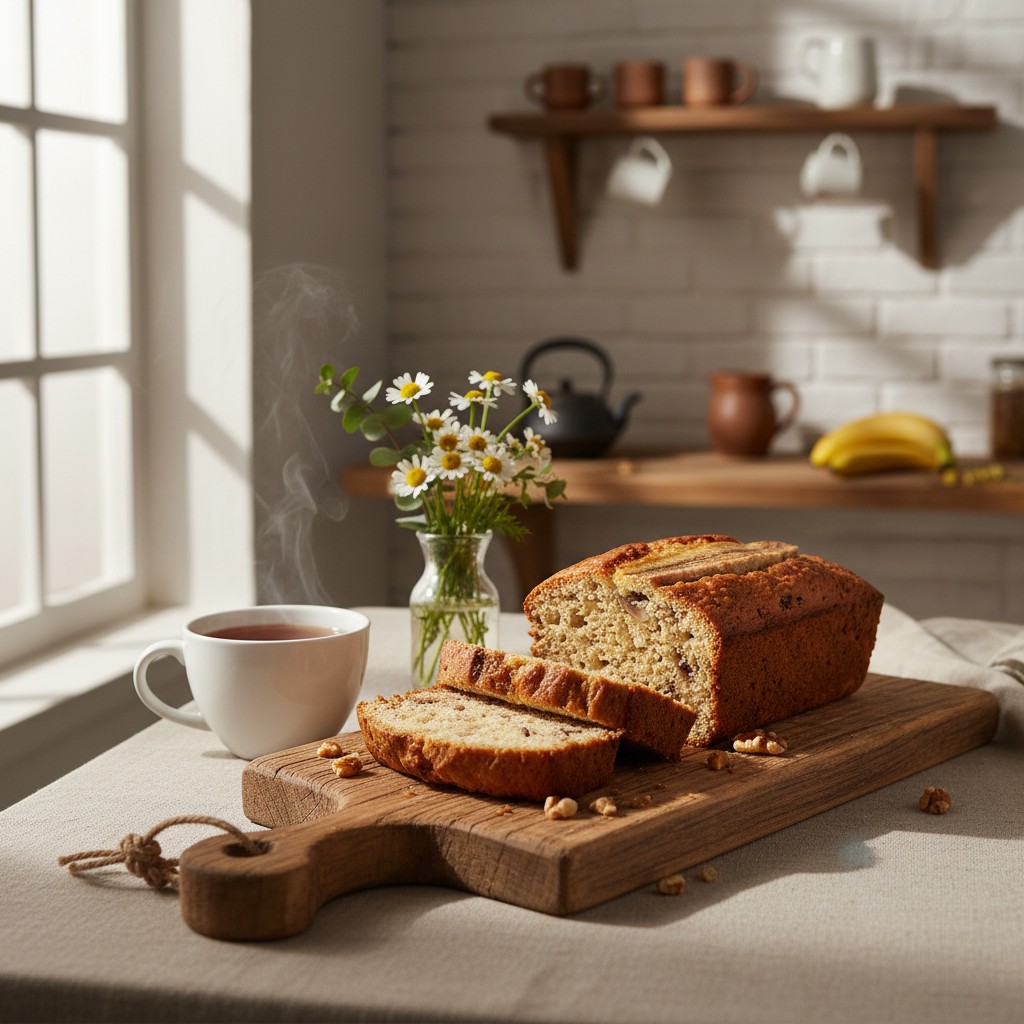
Quick Dimension Reference: 1lb vs 2lb Loaf Tins
A standard UK 1lb (450g) loaf tin measures approximately 16cm x 10cm x 6.5cm (6.5 x 4 x 2.5 inches) with a liquid capacity of ~900ml (1.5 pints). A standard UK 2lb (900g) loaf tin measures approximately 21.5cm x 11.5cm x 7cm (8.5 x 4.5 x 3 inches) with a liquid capacity of ~1.8 litres (3.2 pints)—holding almost double the volume of a 1lb tin.
Why Correct Loaf Tin Sizing is Crucial in Baking
In British baking, loaf cakes—such as Mary Berry's Banana Loaf, Moist Banana Bread, and Boiled Fruit Cake—behave very differently from round sandwich sponges. Because loaf tins have deep, vertical sidewalls, heat takes a substantial amount of time to travel from the metallic edges to the dense center of the batter.
- If your tin is too small: The batter will rise too rapidly, dome aggressively in the center, crack open violently, and spill over the rim onto the oven floor. Worse still, the outside will burn before the heavy center is cooked through, leading to a collapsed cake. Check our guide on Why Did My Cake Sink in the Middle? for more details.
- If your tin is too large: The batter will spread thin across the base. The cake will bake far too quickly, ending up flat, squat, pale, and dry instead of tall and moist.
1lb vs 2lb Loaf Tin Comparison Table (Dimensions & Volume)
Here is the standard metric and imperial breakdown for British loaf pans:
- 1lb Loaf Tin (Small / 450g Flour Loaf):
- * Top Internal Dimensions: 16cm x 10cm (approx. 6.5" x 4")
- * Base Dimensions: 14cm x 8cm (approx. 5.5" x 3")
- * Depth: 6.5cm (approx. 2.5")
- * Liquid Capacity to Brim: ~900ml (approx. 1.5–1.6 pints)
- * Ideal for: Half-batch tea cakes, individual sandwich loaves, gingerbread, and smaller households.
- 2lb Loaf Tin (Standard / 900g Flour Loaf):
- * Top Internal Dimensions: 21.5cm x 11.5cm (approx. 8.5" x 4.5")
- * Base Dimensions: 19cm x 9.5cm (approx. 7.5" x 3.75")
- * Depth: 7cm to 7.5cm (approx. 3")
- * Liquid Capacity to Brim: ~1.8 Litres (approx. 3.2 pints)
- * Ideal for: Standard Mary Berry banana breads, lemon drizzle loaves, Madeira loaves, and full-sized sandwich bread.
How to Measure Your Loaf Tin Accurately at Home
A common mistake is measuring a loaf tin across the exterior rim or around the base. To get the true baking size:
- 1. Measure Inside the Top Rim: Place your ruler inside the tin, measuring the internal length from the top edge to top edge, and internal width across the center.
- 2. Measure Depth Vertically: Place the ruler standing upright on the flat internal base to the top rim.
The Water Test: The Quickest Way to Identify Tin Size
If you cannot find a tape measure, use the Water Displacement Test:
1. Place your empty, dry loaf tin onto digital kitchen scales. 2. Press the 'Tare / Zero' button. 3. Pour cold tap water into the tin until it reaches the very top rim.
- If the water weighs around 900g (900ml): You have a 1lb Loaf Tin.
- If the water weighs around 1,800g (1.8kg / 1,800ml): You have a 2lb Loaf Tin.
How to Scale Recipes Between 1lb and 2lb Tins
Because a 2lb tin holds roughly double the volume of a 1lb tin, scaling is remarkably straightforward:
- Converting a 2lb Recipe to a 1lb Tin: Halve all ingredient weights. Reduce the oven baking time by approximately 15 to 20 minutes.
- Converting a 1lb Recipe to a 2lb Tin: Double all ingredient weights. Increase the baking time by 20 to 25 minutes. Reduce your oven temperature by 10°C (especially in fan-assisted ovens) to prevent the exterior crust from browning too deeply before the dense center is cooked.
- Baking a 2lb Recipe in Two 1lb Tins: Divide the batter equally between two lined 1lb tins. Bake side-by-side on the middle oven shelf, reducing bake time by 15 minutes.
What About 3lb Loaf Tins & Pullman Loaf Pans?
A 3lb loaf tin (approx. 28cm x 13cm x 8cm with a ~2.6L capacity) is primarily used for large family farmhouse loaves, rich Dundee cakes, and catering-sized fruitcakes. Pullman loaf pans feature a sliding metal lid designed to produce perfectly square, crustless sandwich bread slices.
Mary Berry's Loaf Tin Lining Secrets
Loaf cakes are notoriously prone to sticking in bottom corners. While greasing and flouring works, Mary Berry strongly recommends using pre-formed silicone parchment loaf tin liners.
They slide effortlessly into standard 1lb and 2lb tins, guarantee zero sticking, and allow you to lift delicate, warm tea loaves straight out of the tin without tearing.
✨ Mary Berry's Loaf Baking Tip
"When making loaf cakes, never fill the tin more than two-thirds full of batter. If you have extra batter, bake a couple of individual fairy cakes rather than overfilling your loaf tin. This ensures a handsome, well-risen top with no messy oven spills."
Frequently Asked Questions
Why did my banana bread take 30 minutes longer to bake than the recipe said?
If you used a 1lb deep tin instead of a standard wider 2lb tin, the batter depth was too thick, causing heat to penetrate much slower to the middle.
Can I bake a loaf cake in a round cake tin?
Yes! A 2lb loaf cake recipe fits perfectly into an 8-inch (20cm) round cake tin. Reduce baking time by roughly 15 minutes since the shallower batter cooks faster.
Are silicone loaf tins better than metal?
Heavy-gauge non-stick carbon steel or anodized aluminium tins conduct heat far better than silicone, producing a superior golden crust and crisp corners.
Charlotte Davies
Lead Culinary Editor & British Baking Specialist
Passionate British baker and food writer specialising in traditional British home baking, foolproof kitchen science, and Mary Berry-inspired recipes.
More Helpful Baking Guides
 Baking Tips & Science
How to Fix Grainy or Split Buttercream in Under 2 Minutes (Foolproof Guide)
You spend time beating butter and icing sugar for a celebration cake, but instead of a silky, pipeable cloud of frosting, your buttercream feels gritty on the tongue or separates into a curdled mess. Here is why buttercream turns grainy and how to rescue it in under two minutes with simple kitchen science.
 Ingredient Substitutions
Best Light & Dark Muscovado Sugar Substitutes (Tested & Ranked)
Muscovado sugar is famous in British baking for its rich, fudgy moisture and deep toffee-molasses aroma. But if you have run out midway through baking a rich fruitcake or sticky toffee pudding, here are the best muscovado sugar substitutes, how they behave in real recipes, and a 2-minute homemade pantry hack.