
Best Light & Dark Muscovado Sugar Substitutes (Tested & Ranked)
Muscovado sugar is famous in British baking for its rich, fudgy moisture and deep toffee-molasses aroma. But if you have run out midway through baking a rich fruitcake or sticky toffee pudding, here are the best muscovado sugar substitutes, how they behave in real recipes, and a 2-minute homemade pantry hack.

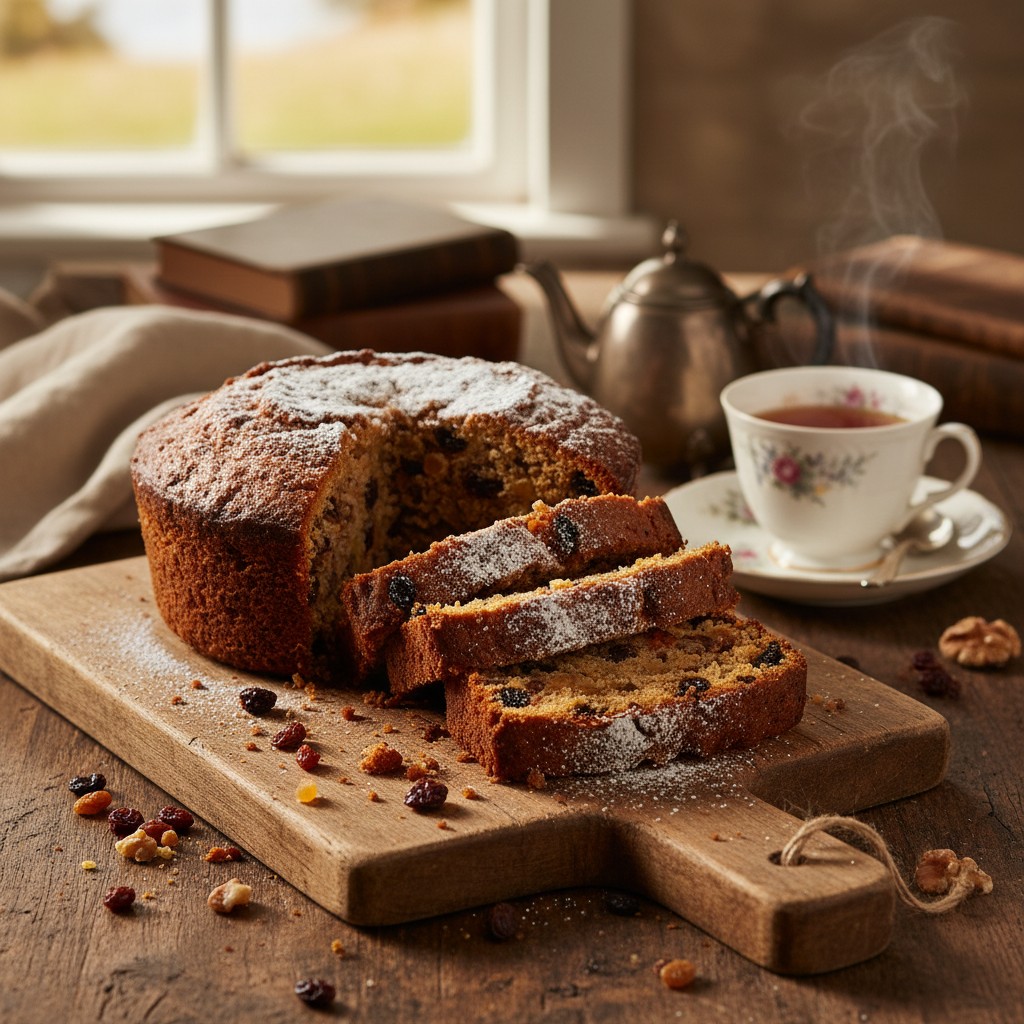
Quick Answer: Best Muscovado Sugar Substitute
The best direct 1:1 muscovado sugar substitute is British Dark Brown Soft Sugar (for dark muscovado) or Light Brown Soft Sugar (for light muscovado). If brown sugar is unavailable, you can create a perfect homemade DIY substitute in 60 seconds by blending 200g of white granulated or caster sugar with 1 to 2 tablespoons of black treacle (molasses) until moist and sandy.
What is Muscovado Sugar & Why is it Unique?
To choose the most effective muscovado sugar substitute, it helps to understand what makes this British baking staple so extraordinary. Unlike standard commercial brown sugars—which are made by taking fully refined white granulated sugar and spraying a thin coating of molasses back over the crystals—authentic muscovado (often sourced from Mauritius or Barbados) is an unrefined or partially refined cane sugar.
During processing, the natural sugar cane juice is heated until the water evaporates, leaving behind rich, moist sucrose crystals completely saturated with their original volcanic cane molasses. This gives muscovado sugar three distinct baking properties:
- Extreme Moisture Content: It feels like wet, heavy sand and clumps tightly when squeezed in your palm.
- Deep Smoky Complexity: It carries complex notes of roasted coffee, smoky caramel, rum, and bitter toffee.
- Natural Acidity: Because unrefined cane molasses contains natural organic acids, muscovado reacts with raising agents like bicarbonate of soda. Check our guide on Baking Powder vs Bicarbonate of Soda to understand this leavening reaction.
Light Muscovado vs Dark Muscovado: Key Differences
British recipes usually specify whether light or dark muscovado is required:
- Light Muscovado Sugar: Contains approximately 2% to 3% natural molasses. It has a warm, honey-toffee colour and a mellow, butterscotch sweetness. Ideal for Victoria sandwich fillings, caramel drizzles, cookies, and shortbread.
- Dark Muscovado Sugar: Contains up to 5% to 6% dense molasses. It is almost dark chocolate in color, intensely sticky, and delivers a robust, bittersweet licorice kick. Essential for rich Christmas puddings, gingerbread, dark chocolate cakes, and our classic Mary Berry Boiled Fruit Cake.
The Top 6 Muscovado Sugar Substitutes (Ranked & Tested)
When replacing muscovado in baking, your substitute must provide both moisture and caramel-molasses depth. Here is our tested ranking of the 6 best alternatives.
1. Dark & Light Brown Soft Sugar (Best Direct 1:1 Swap)
Commercial brown soft sugar is readily available in every UK supermarket and North American grocery store (labeled as Dark Brown Sugar or Light Brown Sugar).
- The Ratio: Use a 1:1 direct swap by weight (e.g. 150g dark brown soft sugar for 150g dark muscovado).
- The Pros: Shares the exact same fine crystal size, dissolves seamlessly into creaming mixtures, and provides nearly identical moisture levels.
- The Cons: Because the molasses is added artificially to white sugar crystals, the flavour is slightly less complex and lacks the subtle floral, smoky botanicals of unrefined cane sugar.
- Verdict: The easiest, most reliable everyday swap for 95% of cakes and bakes.
2. The DIY Treacle & White Sugar Blend (The Closest Flavour Match)
If you only have plain white granulated or caster sugar in your pantry, you can manufacture your own high-grade muscovado substitute in under two minutes:
- To Make 200g Dark Muscovado Substitute:
- * 200g White Caster or Granulated Sugar
- * 2 tablespoons (approx. 30g) Black Treacle or Dark Cane Molasses
- To Make 200g Light Muscovado Substitute:
- * 200g White Caster or Granulated Sugar
- * 1 tablespoon (approx. 15g) Black Treacle or Molasses (or mix with Golden Syrup)
- Method: Place the sugar and treacle into a food processor or bowl and pulse/rub with a fork until the molasses is completely blended into the crystals. The result is fresh, damp, deeply aromatic brown sugar identical to authentic muscovado.
3. Demerara or Turbinado Sugar (With Moisture Adjustments)
Demerara sugar is also partially unrefined, but its crystals are large, crunchy, and dry.
- The Ratio: 1:1 by weight, plus 1/2 teaspoon of water or milk per 100g of sugar.
- The Pros: Offers a wonderful natural toffee flavour.
- The Cons: Because the coarse crystals do not dissolve easily into creamed butter, using Demerara directly can leave sponge cakes grainy and dry. Read our guide on How to Fix Grainy Buttercream if crystal dissolution causes problems.
- Baker's Tip: Grind Demerara sugar in a spice grinder or blender for 15 seconds to pulverize the crystals before mixing into cake batters.
4. Coconut Sugar (Best Unrefined Natural Alternative)
Coconut palm sugar is made from the sap of coconut palm blossoms and is naturally unrefined.
- The Ratio: Use a 1:1 direct swap for Light Muscovado.
- The Pros: Has a warm caramel flavor with a lower glycemic index and no coconut taste.
- The Cons: Coconut sugar has a much lower moisture content than muscovado. When using it in dense cakes like Mary Berry Carrot Cake, add an extra tablespoon of milk, applesauce, or melted butter to prevent a dry crumb.
5. Jaggery or Panela (Cane Sugar Blocks)
Common in Indian and Latin American grocers, Jaggery (Gur) and Panela (Piloncillo) are completely unrefined solidified cane juices.
- The Ratio: Finely grate the sugar block and use 1:1 by weight.
- The Pros: Exceptional earthy molasses flavour and natural minerals.
- The Cons: Must be grated with a microplane or dissolved in warm recipe liquids prior to use.
6. Granulated Sugar + Golden Syrup (Emergency Moisture Swap)
If you have no molasses or brown sugar of any kind, combine 90g white caster sugar with 15g British Golden Syrup. While this lacks dark treacle colour, it replicates the chewy, tender moisture needed for fudgy bakes like our Chocolate Brownies.
Which Substitute to Use by Recipe Type (Fruitcakes, Sauces & Puddings)
To ensure your bake succeeds, match the substitute to your recipe's structure:
- For Heavy Fruitcakes & Christmas Puddings: Use Dark Brown Soft Sugar + 1 tsp Black Treacle. Fruitcakes need heavy moisture and dark pigmentation to cure properly over time.
- For Sticky Toffee Pudding & Butterscotch Sauces: Use Light Brown Soft Sugar or DIY Caster Sugar + Treacle. Both dissolve smoothly into melting butter and double cream without burning.
- For Cookies & Traybakes: Use Standard Brown Sugar. It provides the spread and chewy edges that muscovado is famous for.
- For Sponge Cakes & Loaves: If substituting in loaf cakes, always ensure your tin volume is correct by reviewing our 1lb vs 2lb Loaf Tin Size Guide.
✨ Mary Berry's Brown Sugar Tip
"Muscovado sugar has a habit of drying into a solid rock in the pantry if air gets to it. Always store it in a double-sealed airtight plastic container with a small square of damp baking parchment folded inside. If it has already gone hard, place it in a bowl covered with a clean damp tea towel overnight, and it will be soft and crumbly again by morning."
Frequently Asked Questions
Can I use plain white granulated sugar instead of muscovado sugar?
You can in an absolute emergency, but white sugar lacks moisture and molasses. Your baked cake will be significantly paler, drier, and lack the signature toffee depth of muscovado.
What is the US equivalent of British muscovado sugar?
In the United States, commercial 'Dark Brown Sugar' is the closest supermarket swap. However, specialty brands like India Tree sell authentic unrefined Muscovado Sugar in gourmet stores and online.
Does dark muscovado sugar make cakes rise less?
Because muscovado is heavy and damp, using too much can weigh down delicate sponges. Always pair it with the correct raising agents—check our [Self-Raising vs Plain Flour UK Guide](/blog/self-raising-vs-plain-flour-uk-guide) for accurate leavening ratios.
Charlotte Davies
Lead Culinary Editor & British Baking Specialist
Passionate British baker and food writer specialising in traditional British home baking, foolproof kitchen science, and Mary Berry-inspired recipes.
More Helpful Baking Guides
 Ingredient Substitutions
Baking Powder vs Bicarbonate of Soda: The Essential Difference
Few kitchen mistakes ruin a bake as quickly as confusing baking powder with bicarbonate of soda. Swap them incorrectly and your cake will either turn out flat and heavy or taste unpleasantly bitter and soapy. Here is the definitive guide to bicarbonate of soda vs baking powder, the science of chemical leaveners, and how to substitute them safely.
Ingredient SubstitutionsBest Golden Syrup Substitutes for British Baking (What Works & Fails)
Golden syrup is the crown jewel of traditional British baking, giving flapjacks, treacle tarts, and steamed puddings their signature caramel chew and buttery amber glow. But if you live in the US or ran out mid-bake, here are the best golden syrup substitutes, how they perform in real recipes, and a 15-minute homemade recipe.