
How to Fix Grainy or Split Buttercream in Under 2 Minutes (Foolproof Guide)
You spend time beating butter and icing sugar for a celebration cake, but instead of a silky, pipeable cloud of frosting, your buttercream feels gritty on the tongue or separates into a curdled mess. Here is why buttercream turns grainy and how to rescue it in under two minutes with simple kitchen science.

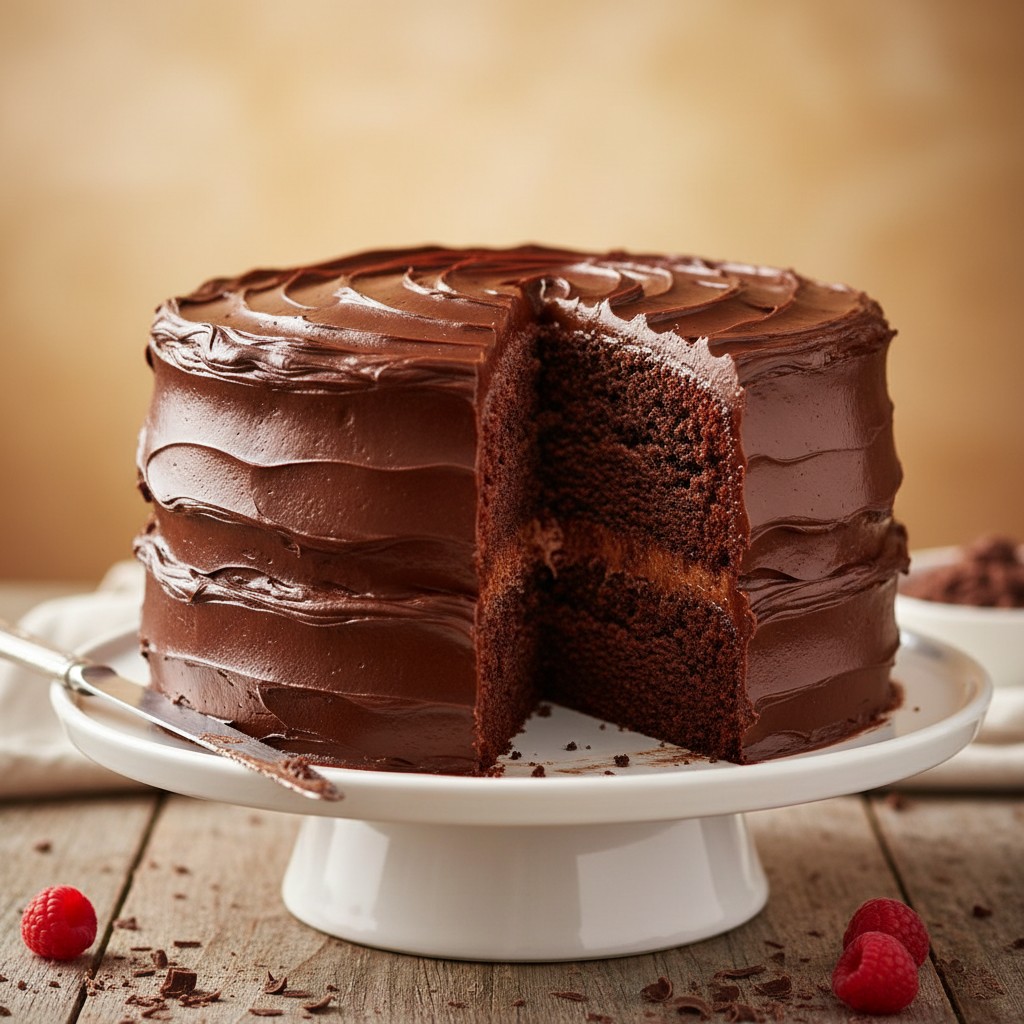
Quick Answer: Why is My Buttercream Grainy & How to Fix It?
Buttercream turns grainy for two main reasons: the icing sugar crystals have not fully dissolved in the butter's moisture, or fridge-cold butter has seized into microscopic hard grains. To fix it in under 2 minutes: Scoop 3 tablespoons of the grainy buttercream into a small cup, microwave for 10 to 15 seconds until completely melted and liquid, then slowly stream it back into the main mixing bowl while beating on medium-high speed. The warm liquid gently melts the cold fat and dissolves the sugar, restoring a silky, glossy texture instantly.
The Emulsion Science: Why is My Buttercream Grainy?
To understand why is my buttercream grainy, you have to look at how fat, sugar, and moisture interact. Classic British buttercream (American buttercream) is a mechanical emulsion: softened butterfat (around 80% to 82% fat) is beaten with finely pulverized icing sugar (sucrose) and a splash of milk or vanilla extract.
Unlike egg-based frostings (like Swiss Meringue or Italian Meringue, where sugar is melted over a hot water bath into egg whites), classic buttercream relies solely on the tiny percentage of water naturally present in the butter (approx. 16% to 18%) and added milk to dissolve the sugar crystals. If the sugar crystals cannot dissolve or the butterfat is chilled into beads, the frosting feels rough, sandy, or gritty against the roof of your mouth.
Grainy vs Split Buttercream: What is the Difference?
Before attempting a fix, identify whether your frosting is truly grainy or split:
- Grainy Buttercream: The mixture looks cohesive and fluffy, but when you rub a dab between your fingers or taste it, you can feel distinct sand-like sugar particles or microscopic hard butter specks. The issue is crystal dissolution or fat temperature.
- Split / Curdled Buttercream: The mixture looks like cottage cheese, scrambled eggs, or wet mashed potato, with liquid weeping around the bowl edges. The emulsion has broken because of a severe temperature mismatch between ingredients. (If you have ever had batter curdle while adding eggs, the science is very similar—read our guide on Why Cake Batter Curdles & How to Fix It).
The 4 Root Causes Behind Gritty Frosting
Every batch of grainy buttercream can be traced back to one of four common mistakes:
- 1. Cold Butter Fat: If your butter was cold when you started, beating will shatter the fat into millions of microscopic cold pebbles instead of a creamy, uniform paste. These fat pebbles mimic the texture of gritty sugar.
- 2. Using Un-Sifted or Inferior Icing Sugar: In the UK, commercial icing sugar is ground to a fine dust. If stored in a humid cupboard, it clumps together. Un-sifted sugar lumps will never dissolve once coated in water-repellent butterfat.
- 3. Not Beating the Butter Long Enough: Mary Berry advises beating the butter alone for at least 3 to 5 minutes until pale, glossy, and cloud-like before introducing a single speck of sugar.
- 4. Adding Cold Fridge Milk or Extracts: Splashing fridge-cold milk or lemon juice directly into warm creamed butter causes the fat to seize instantly.
Fix 1: The 15-Second Microwave Burst Method (The Master Rescue)
This is the single most reliable, chef-approved trick to rescue grainy or stiff buttercream in under two minutes:
- Step 1: Stop your mixer. Scoop 3 to 4 tablespoons of your grainy buttercream into a small, microwave-safe ramekin or mug.
- Step 2: Microwave the portion on medium heat for 10 to 15 seconds until it is completely melted into a liquid, warm soup.
- Step 3: Turn your stand mixer or hand beater back on to medium-high speed.
- Step 4: Very slowly drizzle the warm, melted buttercream into the bowl while the beaters are running.
- The Magic Science: The warm liquid fat raises the overall temperature of the entire batch by just 2°C—enough to melt microscopic butter curds and provide heat to dissolve stubborn sugar crystals without melting the entire bowl. Within 60 seconds of whipping, the frosting will turn silky, glossy, and satin-smooth.
Fix 2: The Warm Towel or Hairdryer Bowl Wrap
If you don't want to use a microwave, use gentle external heat:
- The Warm Towel: Soak a clean kitchen tea towel in boiling water, wring it out completely, and wrap it around the base and sides of your metal mixing bowl while beating on medium speed. Within 90 seconds, the gentle radiant heat will smooth out the graininess.
- The Hairdryer Trick: Point a hairdryer on medium heat at the exterior of the mixing bowl for 15 to 20 seconds while the mixer is running. Watch as the dull, gritty texture transforms into a glossy pipeable sheen.
Fix 3: The Warm Milk or Double Cream Emulsification
If your buttercream is thick, chalky, and dry in addition to being grainy, it simply lacks enough liquid to dissolve the volume of sugar.
- The Fix: Heat 1 to 2 tablespoons of double cream or whole milk until warm to the touch (around 35°C to 40°C / body temperature). Drizzle it into the bowl while beating on high speed. The warm liquid provides the water molecules needed to dissolve sucrose crystals, while the cream fat stabilizes the emulsion.
Fix 4: The 20-Minute Rest Technique (For Sugar Dissolution)
Sometimes the best fix requires zero active effort. Because sugar is hygroscopic (it naturally attracts and absorbs moisture), covering your mixing bowl with clingfilm and letting it rest on the kitchen worktop at warm room temperature for 15 to 20 minutes allows the sugar crystals to naturally draw out and dissolve into the butter's moisture.
Give it a vigorous 1-minute whip with a silicone spatula afterwards, and the graininess will have vanished.
How to Fix Split or Curdled Buttercream
If your frosting has separated into curdled clumps with watery liquid pooling at the bottom, determine whether it is too cold or too warm:
- If it is Too Cold (Most Common): The butterfat has seized. Use Fix 1 (the microwave burst) or Fix 2 (the warm towel) to bring the temperature up to room temperature (~20°C / 68°F), and it will re-emulsify within 60 seconds of vigorous beating.
- If it is Too Warm: If your kitchen was boiling or the butter was nearly melted, the fat cannot hold air and will liquefy into soup. Place the entire bowl in the fridge for 15 minutes to firm up the edges, then whip on high speed until fluffy.
Mary Berry's Secrets for Silky-Smooth Buttercream
To ensure your celebration cakes—like our Mary Berry All-In-One Chocolate Cake or classic Victoria Sponge—turn out bakery-perfect, keep these Mary Berry principles in mind:
- Always Sift Twice: Always sift icing sugar through a fine sieve to aerate it and remove hard compacted clumps.
- Use Real Butter: While baking spreads work wonderfully for sponge batters, true buttercream needs real unsalted butter for structural stability and clean melting on the palate.
- Paddle, Don't Whisk: After whipping with the balloon whisk to incorporate air, switch to the flat paddle attachment or use a flexible spatula to press out large air bubbles for a flawless, glass-smooth finish. When preparing your cake bases, always ensure your tins are properly prepared by reading our guide on How to Line a Round Cake Tin with Baking Parchment.
✨ Mary Berry's Golden Buttercream Ratio
"For the perfect British sandwich cake filling, use exactly double the weight of sifted icing sugar to softened butter (for example: 100g butter to 200g icing sugar). Add a tablespoon of boiling water or milk right at the end—the heat from the boiling liquid dissolves the sugar instantly and produces a wonderfully glossy, spreadable cream that never grates on the teeth."
Frequently Asked Questions
Can I use granulated or caster sugar for buttercream?
No. Granulated and caster sugar crystals are far too large to dissolve in room-temperature butter without heat. Using them will result in an intensely crunchy, gritty paste. Always use pulverized icing sugar (confectioners' sugar).
Can I fix grainy cream cheese frosting the same way?
Be cautious with heat on cream cheese frosting, as cream cheese liquefies easily under temperature. For cream cheese frosting, add a tablespoon of sifted icing sugar and chill in the fridge for 20 minutes before gently folding with a spatula.
Why does my chocolate buttercream look curdled?
Chocolate buttercream curdles when melted chocolate is added while still too hot (melting the butter) or too cold (hardening into flecks). Always let melted chocolate cool until lukewarm before folding it in.
Charlotte Davies
Lead Culinary Editor & British Baking Specialist
Passionate British baker and food writer specialising in traditional British home baking, foolproof kitchen science, and Mary Berry-inspired recipes.
More Helpful Baking Guides
Baking Tips & ScienceHow to Line a Round Cake Tin with Baking Parchment (No Sticking)
Few things ruin a baker's day faster than turning out a freshly baked sponge only to leave half the golden crust stuck to the bottom of the tin. Here is the definitive step-by-step guide on how to line a round cake tin with baking parchment like a professional British pastry chef.
 Baking Tips & Science
Why Did My Scones Not Rise? (The 5 Golden Scone Rules)
Few bakes are more quintessentially British than a warm, feather-light scone served with clotted cream and strawberry jam. But if your scones came out flat, dense, or lopsided, here is the culinary science behind why scones fail to rise and the 5 golden rules to guarantee tall, flaky bakes every time.