
Why Did My Cake Sink in the Middle? (7 Causes, Exact Fixes & Mary Berry Tips)
There is nothing more disheartening for a home baker than watching a golden, beautifully risen sponge collapse into a crater in the center. Here is the complete culinary science behind why cakes sink in the middle and how to guarantee a flat, level rise every time.

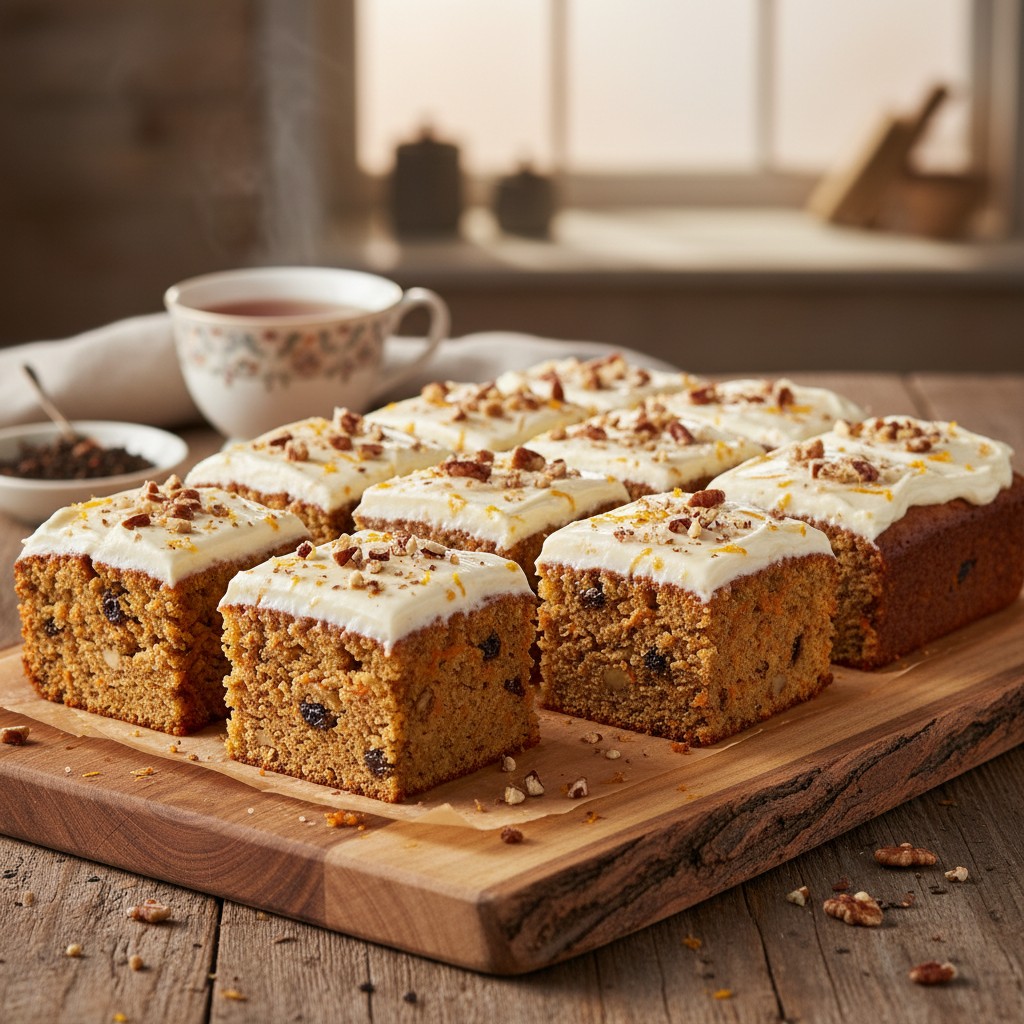
Quick Answer: Why Did My Cake Sink in the Middle?
A cake sinks in the middle primarily due to three factors: opening the oven door before the protein structure sets (causing sudden air pocket collapse), using too much chemical raising agent (creating bubbles too large to support their own weight), or an inaccurate oven temperature that leaves the center undercooked. Always keep the oven shut for the first 75% of baking time and check your leavener measurements accurately.
The Baking Science: What Causes a Cake to Collapse?
To understand why did my cake sink in the middle, we have to look at the delicate chemistry of cake baking. When you mix a sponge—whether it is a classic Mary Berry Victoria Sponge or a moist Carrot Cake—you are creating an emulsion of fats, liquids, starches, and proteins.
Inside the oven, heat activates the chemical raising agents (like baking powder) and steam, which expand the air pockets incorporated during mixing. Simultaneously, the eggs coagulate and the starches in the flour gelatinize, setting the cake's permanent structural walls. If anything disrupts this delicate balance before the structure sets solid, the heavy center cannot hold itself up and deflates into a crater.
1. Opening the Oven Door Prematurely (The Cool Air Shock)
Curiosity is the number one reason cakes sink in the middle. During the first two-thirds of the bake, the protein network is still semi-liquid and fragile. When you open the oven door to take a peek, a sudden wave of room-temperature air rushes in, dropping the oven cavity temperature by 15°C to 30°C in seconds.
This rapid cooling causes the expanded gas bubbles in the center of the cake to shrink and deflate before the surrounding sponge has had time to bake firm.
- The Golden Fix: Keep the oven door firmly shut for at least the first 75% to 80% of the recommended baking time. Rely exclusively on the oven light and glass window to check your progress.
2. Using Too Much Baking Powder or Self-Raising Flour
It is a common misconception that adding an extra spoonful of baking powder will produce a taller, fluffier sponge. In baking science, excess raising agent is actually counter-productive.
Too much leavener creates carbon dioxide gas too quickly. The gas bubbles become oversized, fragile, and merge together. Because the flour matrix cannot support these bloated pockets, they burst under their own weight, causing the middle of the cake to cave in as it cools. If you are substituting your own flour, always reference our Self-Raising vs Plain Flour UK Ratio Guide to get the exact chemical proportions right.
- The Golden Fix: Always use standardized level measuring spoons rather than heaped breakfast cutlery teaspoons, and never add extra baking powder to self-raising flour unless explicitly instructed.
3. Inaccurate Oven Temperature & Hot Spots
Most domestic ovens are surprisingly inaccurate. A dial set to 180°C may actually be running at 160°C or 205°C depending on thermostat calibration, fan calibration, and element age.
- If the oven is too hot: The outer edges of the cake will cook and brown rapidly, giving the false illusion that the cake is ready. However, the center remains unbaked and raw. Once removed from the oven, the wet, heavy center collapses immediately.
- If the oven is too cold: The cake rises sluggishly, and the raising agents expend all their rising power before the flour proteins can set, leading to a flat or sunken cake.
- The Golden Fix: Invest in a low-cost, stainless steel freestanding oven thermometer placed on the middle rack to verify true cavity heat.
4. Over-Mixing the Batter (Micro-Bubble Collapse)
When using an electric stand mixer or hand beater, it is easy to over-whip your cake mixture. Over-beating incorporates millions of unstable micro-bubbles while simultaneously developing excess gluten in the flour.
During baking, these micro-bubbles expand vigorously and then burst, creating a dense, sunken center with a rubbery crumb. If you are making our All-In-One Chocolate Cake, remember that Mary Berry recommends mixing for no more than 1 to 2 minutes until just smooth and glossy.
5. Using the Wrong Cake Tin Size or Depth
Using a tin that is too small or too deep is a frequent culprit behind sunken cakes. If a recipe calls for two shallow 20cm (8-inch) sandwich tins and you pour all the batter into a single deep 18cm tin, the batter depth is doubled.
The heat will take significantly longer to penetrate the dense core. By the time the outside is browned, the middle is still uncooked and will collapse the moment it cools. If you are baking loaves, check our guide on 1lb vs 2lb Loaf Tin Sizes & Dimensions to ensure accurate volume matching.
6. Cold Fridge Ingredients & Curdled Batter
Using eggs and butter straight from the refrigerator shocks the mixture. Cold eggs cause the softened butter fat to solidify and curdle into tiny grains, trapping liquid unevenly. This broken emulsion prevents uniform heat distribution in the oven, frequently resulting in a heavy, sunken base.
If your mixture ever begins to split while mixing, read our quick guide on How to Fix Curdled Cake Batter Instantly to rescue your bake before it goes into the oven.
7. Letting Mixed Batter Stand on the Worktop
Chemical raising agents in British self-raising flour begin reacting the second they touch wet ingredients (eggs, milk, softened butter). If you leave your mixed batter sitting on the kitchen worktop while waiting for the oven to heat up or answering the phone, the primary gas release is wasted into the room.
- The Golden Fix: Always grease and line your baking tins and fully preheat your oven before you begin measuring ingredients. Transfer the batter to the oven immediately after mixing.
How to Tell When a Cake is Cooked Without Sinking
To guarantee your cake never collapses from under-baking, rely on these 3 sensory tests in the final 5 minutes of baking:
- 1. The Spring-Back Touch: Gently press the center of the cake with the pad of your index finger. It should spring back instantly without leaving an indentation.
- 2. The Clean Skewer Test: Insert a slender wooden skewer or cake tester into the exact center. It must emerge dry and clean, with no wet batter or sticky crumbs.
- 3. The Shrinkage Clue: The edges of the sponge should just begin to pull away slightly from the sides of the tin.
Clever Ways to Rescue and Camouflage a Sunken Cake
If your cake has already sunken in the middle, do not throw it away! Here is how to rescue it like a professional pastry chef:
- The Secret Filling Trick: Fill the central dip with freshly whipped chantilly cream, lemon curd, fresh raspberries, or rich chocolate ganache. Guests will assume the indentation was intentionally designed to hold delicious toppings!
- Level with a Serrated Knife: Use a long bread knife to level off the top crust, then invert the sponge so the flat bottom becomes the top.
- Transform into a Trifle or Cake Pops: Cut a dense, sunken sponge into cubes and use it as the base for a traditional British Sherry Trifle or crumble it with frosting to make cake pops.
✨ Mary Berry's Rule for Level Sponges
"Always bake your cake tins on the middle shelf of the oven with space around them for air to circulate freely. When you remove them from the oven, let them rest in the tins for exactly 5 minutes before turning out onto a wire rack. Leaving them in hot tins too long creates steam that softens the crust and encourages sinking."
Frequently Asked Questions
Can I put a sunken cake back in the oven?
Only if you caught it immediately upon opening the oven door and the center is still warm and uncooked. If the cake has already cooled and the structure has collapsed, putting it back in the oven will only dry out the exterior without fixing the sunken middle.
Why did my fruit cake sink in the center?
In heavy fruit cakes, sunken centers usually occur because damp dried fruit was not tossed in flour before folding into the batter. The heavy fruit sinks to the base, weighing down the batter before the middle can set.
Why does my cake sink in the middle after cooling down?
A cake that sinks while cooling was taken out of the oven just a few minutes too early. The exterior had set, but the center core had not reached the critical coagulation temperature (around 95°C / 203°F).
Charlotte Davies
Lead Culinary Editor & British Baking Specialist
Passionate British baker and food writer specialising in traditional British home baking, foolproof kitchen science, and Mary Berry-inspired recipes.
More Helpful Baking Guides
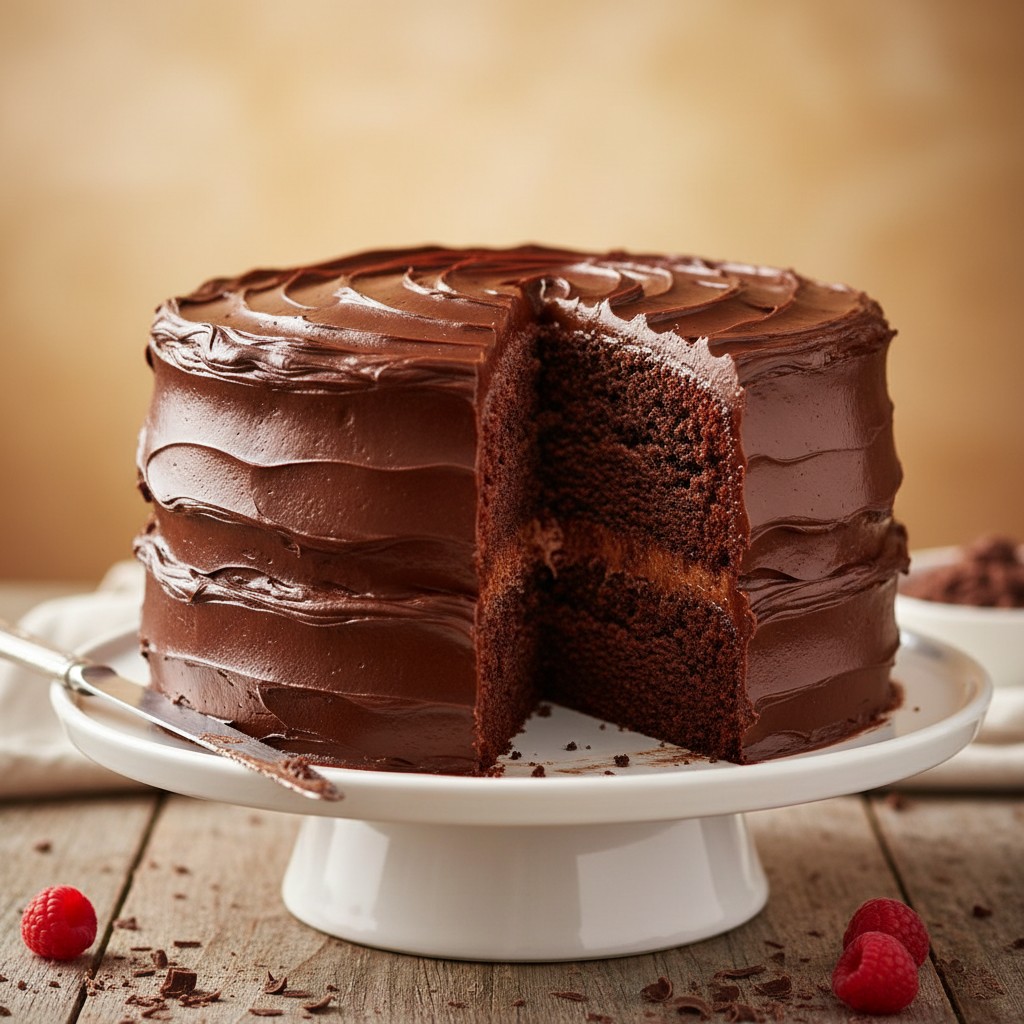 Baking Tips & Science
How to Fix Grainy or Split Buttercream in Under 2 Minutes (Foolproof Guide)
You spend time beating butter and icing sugar for a celebration cake, but instead of a silky, pipeable cloud of frosting, your buttercream feels gritty on the tongue or separates into a curdled mess. Here is why buttercream turns grainy and how to rescue it in under two minutes with simple kitchen science.
Baking Tips & ScienceHow to Line a Round Cake Tin with Baking Parchment (No Sticking)
Few things ruin a baker's day faster than turning out a freshly baked sponge only to leave half the golden crust stuck to the bottom of the tin. Here is the definitive step-by-step guide on how to line a round cake tin with baking parchment like a professional British pastry chef.