
Can You Freeze Cake? How to Freeze, Defrost and Store Any Cake
Yes, you can freeze cake — sponge for up to 3 months, fruit cake for up to 6. Here is how to wrap it, which cakes freeze best, how to defrost it properly, and the mistakes that ruin a frozen cake.


The Short Answer
Yes, you can freeze cake. Sponge cakes keep for up to 3 months and fruit cakes for up to 6 months at −18°C. Freeze the cake unfrosted, wrapped in a double layer of clingfilm plus foil or a freezer bag, and defrost it slowly in the fridge overnight or on the worktop for 2 to 3 hours. Eat within 24 hours of defrosting and never refreeze.
The Short Answer: Yes — Freeze It Unfrosted
Yes — can you freeze cake is one of the easiest questions in baking to answer, because the answer is a confident yes. Almost every cake freezes well: sponges, loaf cakes, traybakes, fruit cakes and even buttercream-frosted cakes all come out of the freezer in good shape, provided they are wrapped properly and defrosted slowly.
The golden rule is to freeze the cake unfrosted wherever possible. A plain sponge wrapped tightly in clingfilm keeps its crumb and flavour far better than a finished cake, and you can ice and decorate it on the day you serve it. It is the single best way to take the pressure out of a birthday, a Christmas bake or a wedding cake.
There are a few exceptions. Fresh cream, custard fillings and fresh fruit decorations do not survive freezing, so add those after defrosting. And a cake that has already been defrosted should not go back in the freezer. Get those two rules right and the freezer becomes a pause button for your baking.
How Long Can You Freeze Cake?
How long a cake keeps in the freezer depends on the type of cake, and the limit is about quality, not safety. At a steady −18°C — the temperature the Food Standards Agency recommends for home freezers — bacteria cannot grow, so frozen food stays safe indefinitely. What changes over time is texture and flavour, as the crumb slowly dries out and picks up freezer odours.
Here is what the reliable sources say:
- Sponge cakes, loaf cakes and traybakes: up to 3 months for best quality. Nigella Lawson's freezing guidance gives 3 months for cakes in general, and that is the figure most British bakers work to.
- Fruit cakes and Christmas cakes: up to 6 months. Their high sugar and alcohol content protects the crumb, which is why our Traditional Festive Christmas Cake is such a good make-ahead bake.
- Buttercream-frosted cakes: 2 to 3 months. The icing is fine, but the crumb underneath dries a little faster once it is frosted.
- Cheesecake: 1 to 2 months, whole or in slices, wrapped tightly to keep out freezer odours.
- Cupcakes and muffins: about 2 months, unfrosted.
The USDA's FoodKeeper database gives commercial cakes a best-quality window of 6 months, which is more generous than the 3 months most bakers quote — but 3 months is the safer promise for a home-baked sponge, and it is the one to print on your label.
Which Cakes Freeze Well — and Which Don't
Most cakes freeze beautifully, but a few need special handling, and two or three should never go in at all.
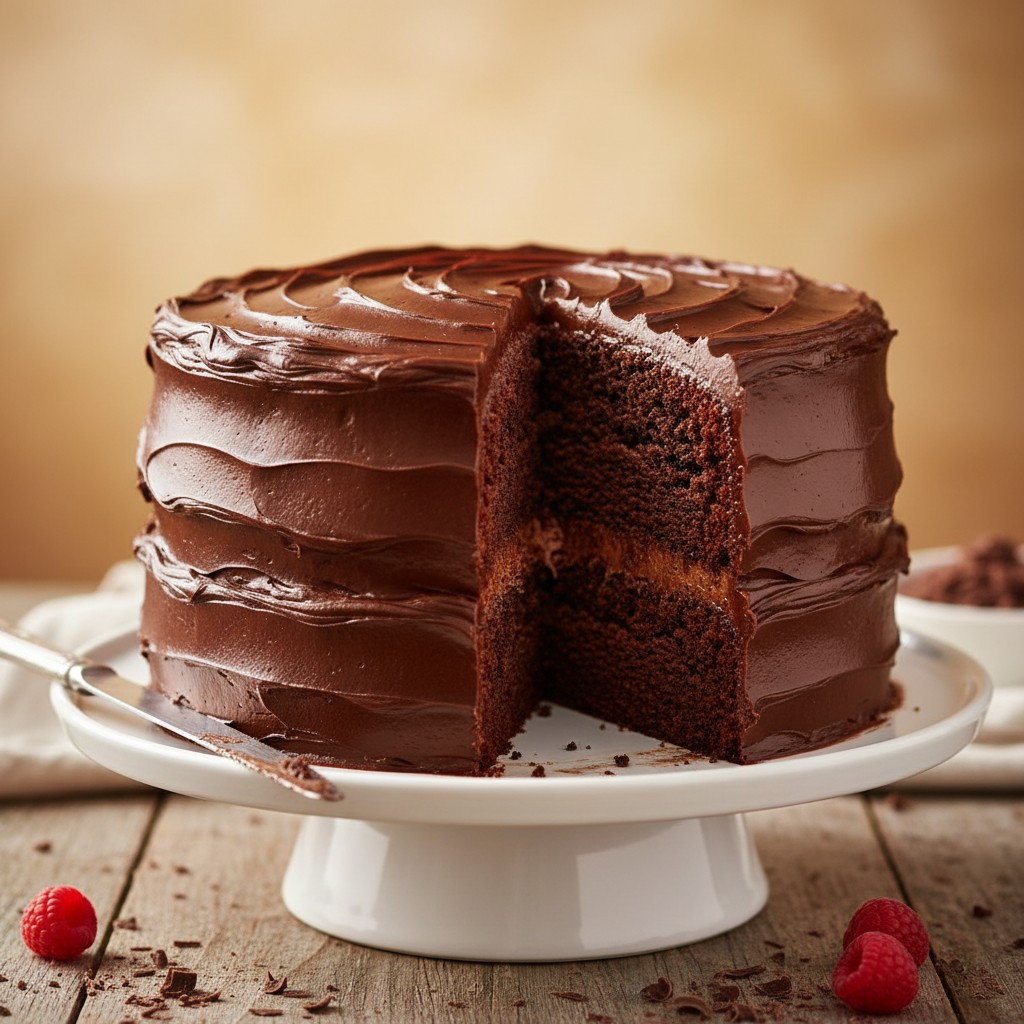
Freeze with confidence: Victoria sponge and other butter sponges, chocolate layer cakes, pound cakes, carrot cake (without its cream cheese frosting), banana loaf, Madeira cake, Dundee cake and boiled fruit cake. Dense, moist cakes freeze best of all — our Classic Boiled Fruit Cake is a perfect freezer candidate: rich, moist and sturdy.
Freeze with care: Buttercream and ganache both freeze well, though buttercream can turn slightly grainy after thawing. Royal icing and fondant can crack or sweat as they thaw, so freeze the cake before icing it if you can. Meringue-topped cakes go soft and weepy in the freezer; freeze the base and add the meringue fresh.
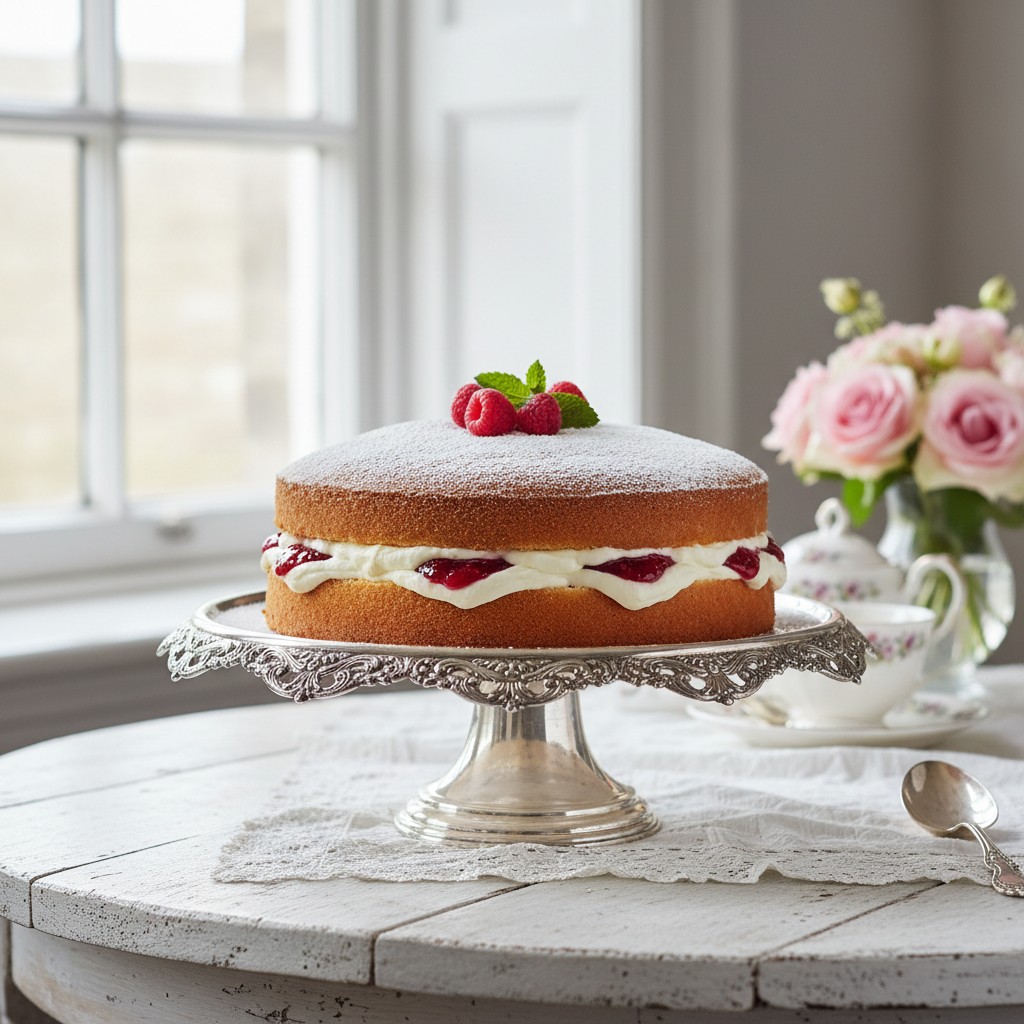
Do not freeze: Cakes filled or topped with fresh cream, custard, crème pâtissière or fresh fruit. Cream splits, custard turns watery, and fresh fruit goes mushy and leaks. Freeze the sponge, then add the cream and fruit after defrosting — a Classic Victoria Sponge Cake is at its best when the jam and cream go in on the day.
How to Freeze a Cake, Step by Step
Good freezing is mostly about wrapping. Air is the enemy: it dries the crumb out and carries freezer smells in.
1. Cool the cake completely. This is non-negotiable. A warm cake gives off steam inside its wrapping, and that steam freezes into ice crystals that turn to soggy patches when the cake thaws. Leave the cake on a wire rack until it is cool all the way through — at least an hour for a sponge, longer for a fruit cake. 2. Wrap it twice in clingfilm. Wrap the cake tightly in a double layer of clingfilm, pressing the film against the surface so no air is trapped — the single most effective step against freezer burn, and the method Nigella Lawson recommends. 3. Add a layer of foil or a freezer bag. Over the clingfilm, wrap a layer of kitchen foil, or slide the cake into a heavy-duty freezer bag and squeeze the air out before sealing. The outer layer protects against knocks and odours. 4. Label it. Write the cake, the date and the use-by date (3 months on for a sponge, 6 for a fruit cake) on the foil or the bag with a marker pen. Frozen cakes all look alike after a month. 5. Freeze it flat. Set the cake on a flat shelf or a baking tray in the freezer until it is solid, so it keeps its shape.
If you are freezing a cake you plan to ice later, freeze the layers separately with a sheet of baking paper between them. Partly thawed layers are actually easier to ice cleanly than fresh ones, because they are firmer and crumb less.
How to Freeze a Frosted or Iced Cake
A finished, frosted cake can be frozen too — it just needs one extra step before the wrapping goes on.
First, flash-freeze it uncovered. Put the frosted cake on a tray in the freezer for about 20 minutes, until the buttercream or ganache feels firm to the touch. This sets the icing hard so the clingfilm cannot stick to it and pull it off.
Once the icing is firm, wrap the cake exactly as you would an unfrosted one: two layers of clingfilm, then foil or a freezer bag. Handle it gently — a frozen buttercream shell is firm but brittle.
To defrost, unwrap the cake and leave it on the worktop at room temperature for 2 to 3 hours. Do not try to speed it up in the microwave, and do not re-whip or smooth the icing while it is still cold — it will firm up and settle as it reaches room temperature.
One warning: a cake iced with royal icing or covered in fondant is best frozen before the icing goes on, as royal icing can crack and fondant can sweat as they thaw. If the cake is already iced, freeze it anyway — it will still be good, just a little less perfect than the day it was decorated.
How to Defrost a Cake Properly
Defrosting matters just as much as freezing. A slow, gentle thaw lets moisture move back into the crumb instead of pooling on the surface, and it keeps the cake from turning soggy or dry.
The best method is the fridge, overnight. Move the wrapped cake from the freezer to the fridge and leave every layer of wrapping on, so condensation forms on the clingfilm rather than on the cake itself. A whole cake needs at least 8 hours, and a large fruit cake or layered sponge may need a full night. Once thawed through, let it sit at room temperature for about 30 minutes before serving, so the crumb softens and the flavour wakes up.
The quicker method is the worktop: unwrap the cake, set it on a wire rack at room temperature, and it will thaw in 2 to 3 hours. This is Nigella Lawson's method, and it works well for sponge cakes — just keep the cake out of direct sunlight and away from radiators.
Two food-safety rules from the Food Standards Agency apply once the cake is defrosted. First, eat it within 24 hours of defrosting. Second, do not refreeze it — refreezing dries the crumb out and, for cakes with cream or custard, is a food-safety risk. If you only need part of a cake, freeze it in slices (see below) so you thaw exactly what you will eat.
Freezing Slices, Cupcakes and Leftover Cake
Freezing whole cakes is the classic move, but slices and cupcakes are where the freezer really earns its keep — especially for smaller households and lunchboxes.
- Slices: Cut the cooled cake into portions, wrap each slice individually in clingfilm, then pack them into a freezer bag. A slice thaws in about 30 minutes at room temperature, so you can defrost exactly one portion at a time.
- Cupcakes and muffins: Freeze them unfrosted in a single layer in a rigid container, with baking paper between layers. They thaw in about an hour at room temperature, and you can ice them fresh on the day — handy for bake sales and school fêtes.
- Leftover cake: The same rules apply. If a birthday cake is half-eaten, slice the rest, wrap it and freeze it the same day. Do not leave it in the fridge for three days first and then freeze it — the freezer pauses the clock, it does not rewind it.
- Make-ahead baking: This is where freezing transforms your planning. Bake your sponge layers a week before the party, freeze them, then defrost and assemble on the day. Our Sunday roast timeline uses the same make-ahead logic for a big family meal.
For Christmas baking in particular, freezing is a gift: a fruit cake made in October can be frozen for up to 6 months, and our muscovado sugar substitutes guide covers the sugar swaps if you are adapting a family recipe.
4 Mistakes to Avoid
Most frozen-cake failures come down to one of four mistakes, and all four are easy to avoid:
- 1. Freezing a warm cake. Steam trapped inside the wrapping turns to ice crystals, and those crystals turn to soggy patches when the cake thaws. Cool the cake completely on a wire rack first — no shortcuts.
- 2. Wrapping it loosely, or only once. A single loose layer of clingfilm lets air in, and air causes freezer burn: dry, pale patches on the crumb that no amount of icing will hide. Two tight layers of clingfilm, then foil or a freezer bag.
- 3. Defrosting in a rush. Microwaving a frozen cake, or thawing it next to a radiator, heats the outside while the middle stays frozen, and the result is a cake that is dry on the edges and icy in the centre. Give it the night in the fridge, or 2 to 3 hours on the worktop.
- 4. Refreezing a defrosted cake. Once a cake has thawed, eat it within 24 hours and do not put it back in the freezer. The crumb dries out badly on a second freeze, and for cakes with cream or custard fillings it is a food-safety risk. Freeze in slices if you cannot finish a whole cake at once.
✨ Mary Berry's Freezing Rule
"Bake it, cool it, wrap it twice. A cake frozen unfrosted and defrosted slowly tastes as if it was baked that morning — the freezer is the best make-ahead tool a home baker owns."
Frequently Asked Questions
Can you freeze cake?
Yes — most cakes freeze well for up to 3 months, and fruit cakes for up to 6 months. Cool the cake completely, wrap it in a double layer of clingfilm plus foil or a freezer bag, and defrost it slowly in the fridge overnight or on the worktop for 2 to 3 hours. Freeze the cake unfrosted where you can, and add fresh cream, custard or fruit after defrosting.
How long can you freeze a cake for?
A sponge cake keeps for up to 3 months in the freezer at −18°C, and a fruit cake for up to 6 months. Those are quality limits, not safety limits — frozen food stays safe indefinitely at −18°C, but the crumb slowly dries out and picks up freezer odours, so label the cake with the date and use the oldest one first.
Can you refreeze a cake after defrosting it?
No — once a cake has fully defrosted, eat it within 24 hours and do not refreeze it. The Food Standards Agency advises against refreezing defrosted food, and a second freeze dries the crumb out badly. If you cannot finish a whole cake, freeze it in individually wrapped slices so you only thaw what you will eat.
Charlotte Davies
Lead Culinary Editor & British Baking Specialist
Passionate British baker and food writer specialising in traditional British home baking, foolproof kitchen science, and Mary Berry-inspired recipes.
More Helpful Baking Guides
 Baking Tips & Science
Why Did My Cake Crack on Top? 7 Causes and Fixes
Why did my cake crack on top? Almost always, the oven was too hot or the tin was too high, so the crust set before the centre finished rising. Here are the 7 causes and the exact fixes for a flat-topped sponge.
 Baking Tips & Science
How to Fix Grainy or Split Buttercream in Under 2 Minutes (Foolproof Guide)
You spend time beating butter and icing sugar for a celebration cake, but instead of a silky, pipeable cloud of frosting, your buttercream feels gritty on the tongue or separates into a curdled mess. Here is why buttercream turns grainy and how to rescue it in under two minutes with simple kitchen science.