
How to Avoid a Soggy Bottom: Pastry Fixes That Work
How to avoid a soggy bottom? Heat the base before the filling can wet it. Here are the 7 fixes that work — blind baking, a preheated baking sheet, sealing the base and more — including Mary Berry's golden rule.

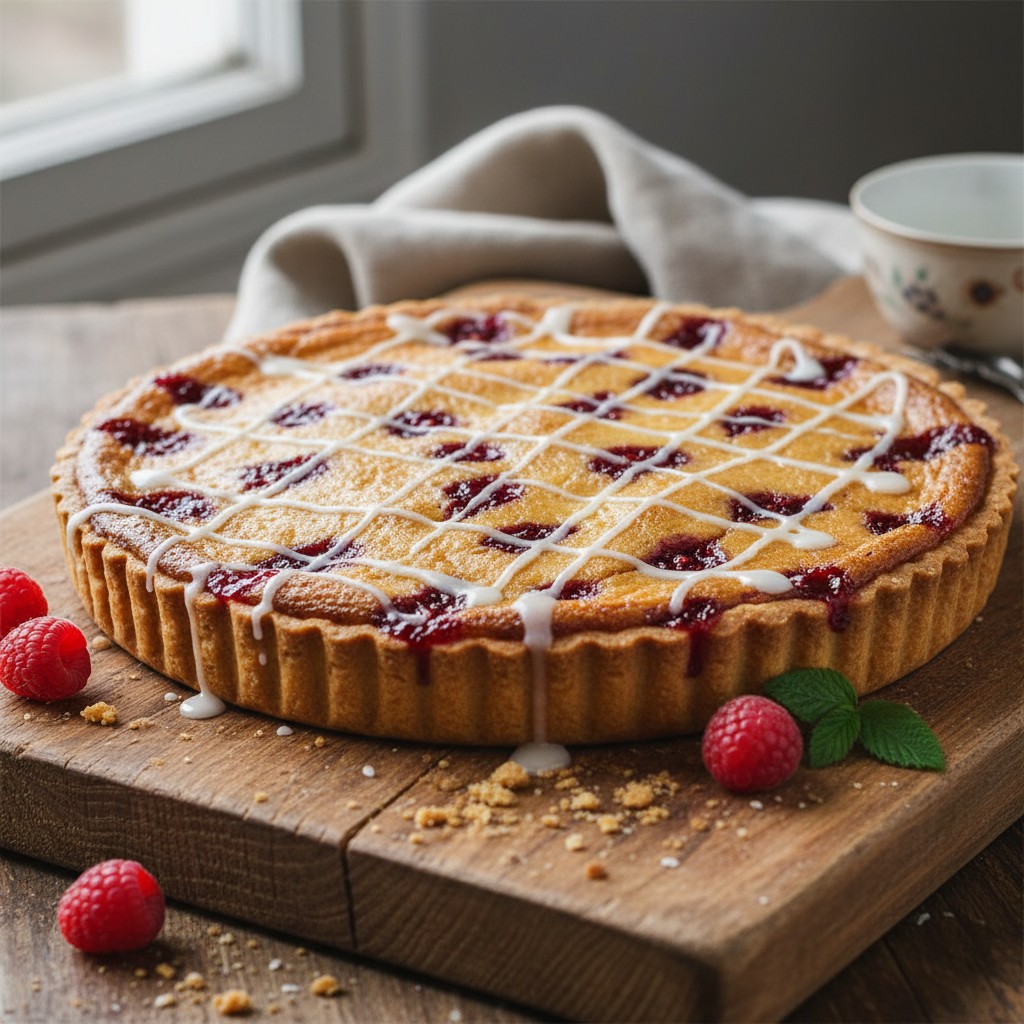
Quick Answer: How to Avoid a Soggy Bottom
A soggy bottom happens when moisture from the filling reaches the pastry before the heat has set it. The fixes are simple: blind bake the case at 200°C (180°C fan / Gas 6) until pale golden, bake the tin on a preheated baking sheet on the lowest shelf, seal the base with egg white or chocolate, keep the pastry cold, thicken wet fillings with cornflour, use a metal tin, and check the base — not just the top — before you call it done.
The Short Answer: Heat the Base Before the Filling Can Wet It
You pull a beautiful Bakewell tart from the oven, slice into it — and the base is pale, damp and floppy instead of crisp and golden. That is the dreaded soggy bottom, and if you have ever wondered how to avoid a soggy bottom, the answer is reassuringly simple: pastry goes soggy when moisture reaches it before the heat has set it. Fix the heat, fix the moisture, and the problem disappears.
Think of it this way. Shortcrust pastry needs fierce heat from below to drive off its water and set its starches into crisp, flaky layers. Pour a wet filling — juicy fruit, egg custard, stewed onions — into a raw pastry case and two things go wrong at once: the liquid soaks straight into the dough, and it insulates the base so the pastry underneath never gets hot enough to crisp. Custard sets at around 80°C, long before the crust beneath it has had a chance to dry out.
The good news is that every cause has a fix, and most of them take no extra skill — just a hot tray, a little patience, and knowing when to bake the pastry on its own first.
1. Blind Bake the Case Before the Filling Goes In
This is the single most important fix, and it solves most soggy bottoms on its own. Blind baking means baking the pastry case empty — lined with baking paper and weighted down with baking beans, dried rice or ceramic weights — before any filling goes near it. The pastry gets its chance to dry out and set while nothing wet is touching it.
Bake the lined case at 200°C (180°C fan / Gas 6) for about 15 minutes with the beans in, until the edges are set and lightly coloured. Then lift out the paper and beans and bake for another 5–10 minutes uncovered, until the base looks dry and pale golden all over. Only then does the filling go in. For a quiche or custard tart, that pale-golden base is the difference between a slice that holds its shape and one that flops.
- The Golden Fix: Blind bake every case that will hold a wet filling — quiches, custard tarts, fruit tarts, lemon tarts. Fill the paper right up to the rim with weights, not just a thin layer on the bottom, or the sides will slump. If a bubble forms in the base after the beans come out, prick it gently with a fork and let it finish baking until dry.
2. Bake on a Preheated Baking Sheet, on the Lowest Shelf
Even a well blind-baked case can go soft if the oven heat never really reaches the bottom. The base of a tart sits furthest from the oven's heating element, and on a cold tray it warms up slowly — exactly the wrong conditions when wet filling is sitting on top of it.
The fix costs nothing: put a heavy baking sheet in the oven while it preheats, and set the tart tin directly onto the hot tray. The moment the tin touches the hot metal, fierce heat conducts straight into the base, setting the pastry before the filling can make it weep. Bake on the lowest shelf too, where the heat is strongest.
- The Golden Fix: Slide a heavy baking sheet onto the lowest shelf as soon as you switch the oven on, and leave it there to get properly hot. Set the tart or pie tin on the hot tray to bake — never on a cold one. If your oven runs cool, our oven temperature converter will help you check your Celsius, Fahrenheit and gas mark settings before you start.
3. Seal the Base With Egg White or Chocolate
Blind baking dries the pastry out, but a very wet filling can still soak back in during the main bake. A thin seal on the inside of the base stops that happening. Brush the warm, just-blind-baked base with a little beaten egg white and return it to the oven for a minute or two — the heat sets the egg into a waterproof skin. For sweet tarts, a thin brush of melted dark chocolate does the same job and adds flavour.
This is the trick to reach for with the wettest fillings: lemon curd, jam tarts, custard, and fruit that will release a lot of juice. It also rescues a case that has cracked slightly during blind baking — the seal plugs the gaps before the filling can leak through.
- The Golden Fix: After the beans come out, brush the base with beaten egg white (or melted chocolate for sweet tarts) and bake for 2–3 minutes more until set. Let the case cool completely before adding any cold filling — hot pastry plus cold cream or custard is a recipe for a soggy base.
4. Keep the Pastry Cold and Never Stretch It
Soggy bottoms often start before the pastry ever reaches the oven. Warm, overworked pastry is greasy and soft, and it slumps, shrinks and soaks up filling far more readily than cold, well-rested dough. Shortcrust should be handled as little as possible — the moment it comes together, stop.
Roll the pastry about 3mm thick (roughly ⅛ inch) on a lightly floured surface, ease it into the tin without stretching it — stretched dough springs back and shrinks in the heat — and then chill the lined tin in the fridge for at least 30 minutes before baking. Chilling relaxes the gluten and firms the butter, so the pastry holds its shape and bakes crisp instead of collapsing.
- The Golden Fix: Keep everything cold — cold butter, cold water, cold hands — and chill the lined tin for 30 minutes before it goes in the oven. Never stretch the pastry to fit the tin; lift the edge and let it drop into the corners. Our guide on how to line a round cake tin covers the same gentle, no-stretch technique for cakes.
5. Thicken or Pre-Cook a Wet Filling
Sometimes the pastry is innocent and the filling is the culprit. Fruit releases juice as it bakes, onions weep liquid, and a custard that is too thin will flood the base before it sets. If the filling is wetter than the recipe expects, even a perfect blind bake will struggle.
Thicken fruit fillings with a tablespoon or two of cornflour tossed through the fruit before it goes into the case — it absorbs the juices as they are released and sets them into a light gel instead of a puddle. Cook wet vegetables, like onions or leeks, gently until soft and jammy first, so their moisture cooks off in the pan rather than in the pastry. And for fruit pies, a spoonful of semolina or fine breadcrumbs scattered over the base before the filling goes in will soak up stray juices.
- The Golden Fix: Toss fruit in cornflour, pre-cook wet vegetables until their liquid has evaporated, and never pour a filling into a case that is still warm from blind baking — let it cool on a wire rack first. If a filling looks runnier than the recipe describes, trust your eyes and hold a little of the liquid back.
6. Use a Metal Tin, Not Glass or Ceramic
The tin itself matters more than most bakers realise. Metal tins conduct heat fast and brown the base quickly; glass and ceramic dishes are slower to heat up and hold onto moisture, so the same pastry baked in a ceramic dish needs noticeably longer to crisp underneath. That is why so many quiches baked in pretty ceramic flan dishes come out with pale, soft bases.
A dark metal tart tin with a loose base is the best choice for crisp pastry — it heats quickly, browns evenly, and lets you lift the tart out cleanly so the base can finish drying on a rack. If you do use glass or ceramic, give the bake extra time and always sit the dish on that preheated baking sheet.
- The Golden Fix: Bake pastry in a metal tin whenever you can, and choose a dark one over a shiny one — dark metal absorbs heat faster. Whatever tin you use, bake on the lowest shelf on a preheated tray, and lift the tart out of the tin as soon as it is cool enough to handle so trapped steam does not soften the base.
7. Bake Hot Enough, and Check the Base, Not the Top
The final cause is simply not enough heat for long enough. Pastry baked in an oven that is too cool, or pulled out too early, never gets the chance to dry out — the top looks golden while the base underneath is still pale and damp. This is especially common with fruit pies, where the filling insulates the base for the whole bake.
Bake pastry at the temperature the recipe states — usually 190–200°C (170–180°C fan / Gas 5–6) for shortcrust — and resist the urge to open the oven door in the first half of the bake. Check the base, not just the top: lift the tin and look underneath, or slide the tart out and tap the base — it should sound firm and look golden, not pale and soft. If the top is browning too fast while the base is still pale, loosely tent the top with foil and give the base more time.
- The Golden Fix: Trust the base, not the top — check underneath before you call it done. If your oven runs cool, an oven thermometer will tell you the truth, and our oven temperature converter keeps your Celsius, fan and gas mark conversions exact.
How to Rescue a Tart With a Soggy Bottom
A tart with a soggy base is not a lost cause. Try one of these rescues:
- Put it back in a hot oven: If the filling is already set, return the tart to a hot oven (200°C / 180°C fan / Gas 6) on the lowest shelf, ideally on a preheated baking sheet, for 10–15 minutes. The extra bottom heat can crisp a base that is only mildly damp.
- Take it out of the tin: Lift the tart out of its tin and set it on a wire rack in the oven for the last few minutes — trapped steam under the tin is often what keeps the base soft.
- Serve it warm, not cold: A lukewarm tart with a slightly soft base eats far better than a cold one, and a spoonful of cream or custard makes the texture irrelevant.
- Turn it into something else: A badly affected fruit tart still makes a wonderful crumble topping or trifle layer, where the soft pastry becomes a feature rather than a fault.
Mary Berry's 7 Rules for a Crisp Base
Stopping a soggy bottom comes down to a short checklist — run through it before every pie, tart and quiche:
- Blind bake the case. 200°C (180°C fan / Gas 6), 15 minutes with beans, 5–10 minutes without, until pale golden and dry.
- Bake on a hot tray. Preheat a heavy baking sheet on the lowest shelf and set the tin on it.
- Seal the base. Egg white or melted chocolate, set in the oven for a couple of minutes.
- Keep the pastry cold. Cold butter, minimal handling, chill the lined tin for 30 minutes, never stretch the dough.
- Tame the filling. Cornflour for fruit, pre-cook wet vegetables, and let the case cool before filling.
- Use a metal tin. Dark metal browns the base fastest; glass and ceramic need longer.
- Check underneath. The base should be golden and firm, not just the top.
Get those seven right and the base will be crisp, golden and flaky every time — which is exactly how pastry should be.
✨ Mary Berry's Rule for a Crisp Base
"Always bake your tart or pie on a preheated baking sheet." Mary Berry's golden rule — the hot tray hits the base with fierce heat the moment it goes in, setting the pastry before the filling has a chance to make it wet.
Frequently Asked Questions
What causes a soggy bottom in pastry?
The most common cause of a soggy bottom is a wet filling soaking into raw pastry before the heat has set it. Custard sets at around 80°C, long before the crust beneath it has crisped, so the base stays damp. Blind baking the case first — 15 minutes with beans at 200°C (180°C fan / Gas 6), then 5–10 minutes without — gives the pastry a chance to dry out and set before the filling arrives.
Does baking on a preheated baking sheet stop a soggy bottom?
Yes — baking on a preheated baking sheet is one of the most effective fixes. Put a heavy baking sheet on the lowest shelf while the oven preheats, then set the tart or pie tin directly on the hot tray. The heat conducts straight into the base and sets the pastry before the filling can make it wet. Mary Berry recommends this for tarts, quiches and pies.
Should I brush egg white on pastry to stop it going soggy?
Brush the warm, just-blind-baked base with a little beaten egg white and return it to the oven for a couple of minutes — the heat sets the egg into a waterproof skin. For sweet tarts, melted dark chocolate works the same way. It is especially useful for very wet fillings like lemon curd, jam and custard, and it also seals any small cracks in the case.
Charlotte Davies
Lead Culinary Editor & British Baking Specialist
Passionate British baker and food writer specialising in traditional British home baking, foolproof kitchen science, and Mary Berry-inspired recipes.
More Helpful Baking Guides
 Baking Tips & Science
Why Does Fruit Sink in Cake? (And How to Stop It)
Why does fruit sink in cake? Because fruit is heavier than batter — and a thin, wet or overloaded batter cannot hold it up. Here are the 7 causes and the exact fixes, including Mary Berry's ground-almond trick.
 Baking Tips & Science
Why Did My Cake Crack on Top? 7 Causes and Fixes
Why did my cake crack on top? Almost always, the oven was too hot or the tin was too high, so the crust set before the centre finished rising. Here are the 7 causes and the exact fixes for a flat-topped sponge.