Mary Berry Recipes
Classic Marble Cake
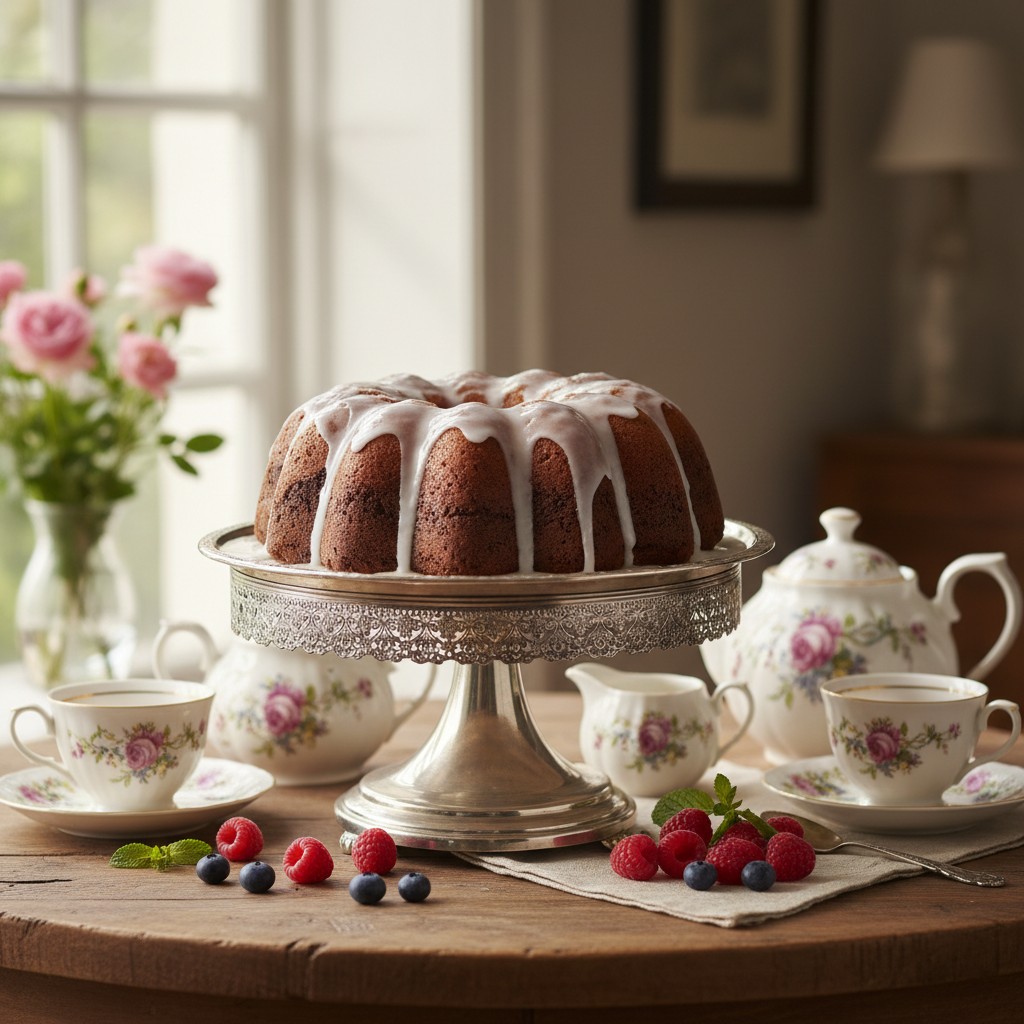
This delightful Classic Marble Cake is a true joy to behold and even better to eat, offering a wonderful blend of vanilla and chocolate in every slice. It's a real family favourite, perfect for any occasion from a casual tea to a special celebration.
Why You'll Love This Recipe
- The contrasting vanilla and chocolate flavours are a delightful pairing, ensuring there's something for everyone.
- Its striking swirled appearance makes it a beautiful centrepiece without requiring intricate decorating skills.
- The cake itself is wonderfully moist and tender, thanks to the balanced proportions of butter, sugar, and flour.
Ingredients
- 225g (8oz) softened butter
- 225g (8oz) caster sugar
- 4 large free-range eggs
- 225g (8oz) self-raising flour, sifted
- 2 tbsp milk
- 1 tsp vanilla extract
- 2 tbsp cocoa powder
- 1-2 tbsp extra milk (for chocolate batter)
- For the Glaze (optional):
- 100g (3½oz) icing sugar
- 1-2 tbsp milk or water
Equipment Needed
20cm (8-inch) round springform cake tin • Baking parchment • Large mixing bowl • Electric whisk (or hand whisk) • 2 medium bowls • Spatula or wooden spoon • Skewer or thin knife • Wire cooling rack
Step-by-Step Instructions
- Preheat your oven to 180°C (160°C fan/Gas 4). Grease and line a 20cm (8-inch) round springform cake tin with baking parchment.
- In a large mixing bowl, cream together the softened butter and caster sugar until the mixture is light and fluffy. This is crucial for a light sponge, so take your time.
- Gradually beat in the eggs, one at a time, adding a spoonful of the sifted flour with each egg to prevent curdling. Once all eggs are incorporated, gently fold in the remaining self-raising flour.
- Stir in the 2 tablespoons of milk and the vanilla extract until just combined. Be careful not to overmix at this stage; we want to keep the batter light and airy.
- Divide the cake batter into two equal portions in separate bowls.
- To one bowl, add the cocoa powder and 1-2 tablespoons of extra milk (start with one and add more if needed) and mix until thoroughly combined and smooth. You should now have a vanilla batter and a chocolate batter.
- Spoon alternate dollops of the vanilla and chocolate batter into your prepared cake tin. Don't be too neat; we're aiming for a lovely marbling effect.
- Once all the batter is in the tin, take a skewer or a thin knife and gently swirl through the batters a few times to create a marbled pattern. Be careful not to overmix, or the colours will blend too much.
- Bake in the preheated oven for 35-40 minutes, or until a skewer inserted into the centre comes out clean. The cake should be golden brown and spring back when lightly pressed.
- Remove the cake from the oven and let it cool in the tin for 10 minutes before turning it out onto a wire rack to cool completely.
- If making the glaze: Sift the icing sugar into a small bowl. Gradually add the milk or water, a teaspoon at a time, mixing until you have a smooth, pourable glaze. Drizzle over the cooled cake and allow it to set before serving.
How to Store \u0026 Reheat
This cake stores beautifully. Once completely cooled, keep it in an airtight container at room temperature for up to 3-4 days. There's no need to refrigerate it, as this can dry out the sponge. This cake is not typically reheated; it's best enjoyed at room temperature.
Mary's Secrets to Success
My secret to a truly superb Marble Cake lies in ensuring all your ingredients are at room temperature – especially the butter and eggs. This helps them combine beautifully, creating a smooth, emulsified batter that bakes up wonderfully light and airy. And remember, when you're swirling, be gentle; a light hand creates the most beautiful, distinct patterns. Don't be tempted to overmix!
Frequently Asked Questions
How do I get a good swirl pattern without overmixing?
The trick, my dear, is to be gentle and not overdo it. Once you've dolloped the batters into the tin, take your skewer and make about 4-5 S-shaped swirls through the mixture. Don't go all the way to the bottom, just enough to create those lovely patterns. Less is often more for a defined marble effect!
Can I use oil instead of butter?
While you can technically use oil, I always recommend butter for its wonderful flavour and the tender crumb it provides. Oil can make the cake very moist, but it often lacks that rich, buttery taste we all adore in a classic sponge. For best results, stick with butter.
My cake came out dry, what went wrong?
A dry cake is often due to overbaking or overmixing the batter. Ensure you're measuring your flour accurately and checking for doneness as soon as the recommended baking time is reached. The skewer test is your best friend here – if it comes out clean, it's ready!
Can I add other flavours to the cake?
Oh, absolutely! That's the joy of baking. You could add a little orange zest to the vanilla batter or a hint of coffee to the chocolate batter for an extra dimension. Just be mindful not to add too much liquid, as it can alter the cake's texture.
Is it possible to make this cake gluten-free?
Indeed it is! You can substitute the self-raising flour with a good quality gluten-free self-raising flour blend. I always recommend adding an extra half teaspoon of baking powder and a quarter teaspoon of xanthan gum to gluten-free bakes to help with structure and moisture.
Useful Baking Tools
Wrong tin size, a fan oven, or ingredients in cups or ounces? Convert everything first with our free tools: