Mary Berry Recipes
Classic Savoury Cheese Scones
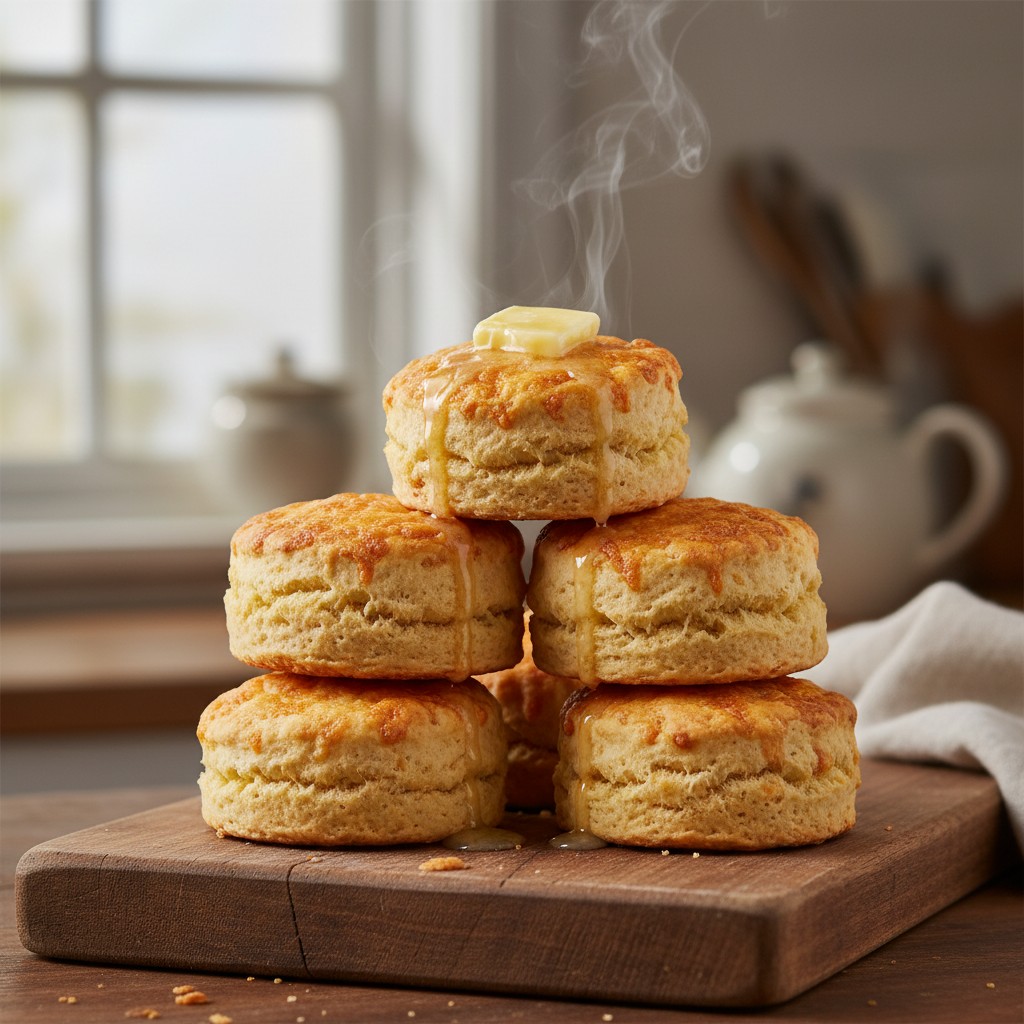
There's nothing quite like a freshly baked cheese scone, still warm from the oven, with a generous spread of butter. This recipe ensures a light, fluffy texture and a delightful cheesy flavour every time.
Why You'll Love This Recipe
- Uses readily available, simple ingredients for a fuss-free bake.
- Quick to prepare and bake, making it perfect for a last-minute treat or unexpected guests.
- Achieves a wonderfully light and fluffy texture with a rich, savoury cheese flavour that everyone adores.
Ingredients
- 225g (8oz) self-raising flour, plus extra for dusting
- Pinch of salt
- Pinch of cayenne pepper (optional, for a little warmth)
- 50g (2oz) cold butter, cubed
- 100g (4oz) mature Cheddar cheese, grated
- 100-120ml (4-4½fl oz) milk, plus extra for glazing
Equipment Needed
Large mixing bowl • Sieve • Baking tray • 5-6cm (2-2½ inch) scone cutter • Pastry brush • Wire cooling rack

Step-by-Step Instructions
- Preheat your oven to 220°C (200°C fan/Gas 7). Lightly grease a baking tray or line with baking parchment.
- Sift the flour into a large mixing bowl. Add the salt and cayenne pepper (if using) and stir to combine.
- Add the cold, cubed butter to the flour. Using your fingertips, gently rub the butter into the flour until the mixture resembles fine breadcrumbs. This step needs a light touch, my dear, to ensure a tender scone.
- Stir in most of the grated Cheddar cheese, reserving a little for sprinkling on top later.
- Make a well in the centre of the mixture and gradually add the milk, mixing with a knife to bring the dough together. You might not need all the milk, or you might need a tiny drop more; the dough should be soft but not sticky.
- Turn the dough out onto a lightly floured surface and gently bring it together with your hands. Do not knead it vigorously; a light touch is key to a light scone.
- Pat or lightly roll the dough out to an even thickness of about 2cm (¾ inch).
- Using a 5-6cm (2-2½ inch) fluted or plain cutter, cut out as many scones as you can. Avoid twisting the cutter, as this can seal the edges and prevent them from rising properly.
- Gently re-gather the dough scraps and lightly re-roll to cut out a few more scones until all the dough is used.
- Place the scones onto your prepared baking tray. Brush the tops with a little milk and sprinkle with the remaining grated cheese.
- Bake for 12-15 minutes, or until risen, golden brown, and cooked through. They should sound hollow when tapped on the bottom.
- Transfer the baked scones to a wire rack to cool slightly. Serve warm, if you can resist them that long, with plenty of butter.
How to Store \u0026 Reheat
To keep these scones at their best, store them in an airtight container at room temperature for up to 2 days. For longer storage, they freeze beautifully. You can freeze them either baked or unbaked. To freeze baked scones, allow them to cool completely, then wrap individually in cling film and place in a freezer bag for up to 1 month. Reheat from frozen in a moderate oven (160°C/140°C fan/Gas 3) for 10-15 minutes until warmed through. If freezing unbaked, place the cut scones on a tray in the freezer until solid, then transfer to a freezer bag. Bake from frozen at the usual temperature, adding 5-10 minutes to the cooking time.
Mary's Secrets to Success
The secret to truly wonderful scones, my dears, lies in a light touch! Don't overwork the dough; just bring it together gently. Ensure your butter is cold – this creates those lovely pockets of steam that make the scones so light. And remember, a hot oven is your friend for a good rise. Finally, avoid twisting the scone cutter; press it straight down and lift it straight up for sheer perfection!
Frequently Asked Questions
Can I use a different type of cheese?
Absolutely, my dear! While mature Cheddar offers a wonderful, robust flavour, you can certainly experiment. Gruyère, Parmesan, or even a blend of cheeses would be lovely. Just ensure it's a hard cheese that grates well and melts beautifully.
Why are my cheese scones tough or dry?
Ah, this is a common query! The secret to a light scone is a very light hand. Overworking the dough develops the gluten, making them tough. Also, ensure your butter is cold and you don't add too much flour when rolling. A hot oven is also crucial for a good rise, so they cook quickly and don't dry out.
Can I make the dough ahead of time?
You can certainly prepare the dry ingredients and rub in the butter a day in advance, keeping it in the fridge. However, once the milk is added, it's best to bake the scones straight away. For making ahead, I recommend freezing the cut, unbaked scones. They bake beautifully from frozen!
How do I get my scones to rise well?
A good rise comes from several factors: using fresh self-raising flour, ensuring your oven is hot, and crucially, not twisting the cutter when you cut out the scones. A clean, straight cut allows the scone to rise evenly. Also, a light touch when handling the dough is paramount.
Can I add other ingredients to these cheese scones?
Oh, what a lovely idea! You could certainly add a teaspoon of mustard powder to the dry ingredients for an extra kick, or perhaps some finely chopped chives or spring onions for freshness. Just be mindful not to overcrowd the dough, as that can affect the rise.