Mary Berry Recipes
Mary Berry's Glorious Apricot Jam
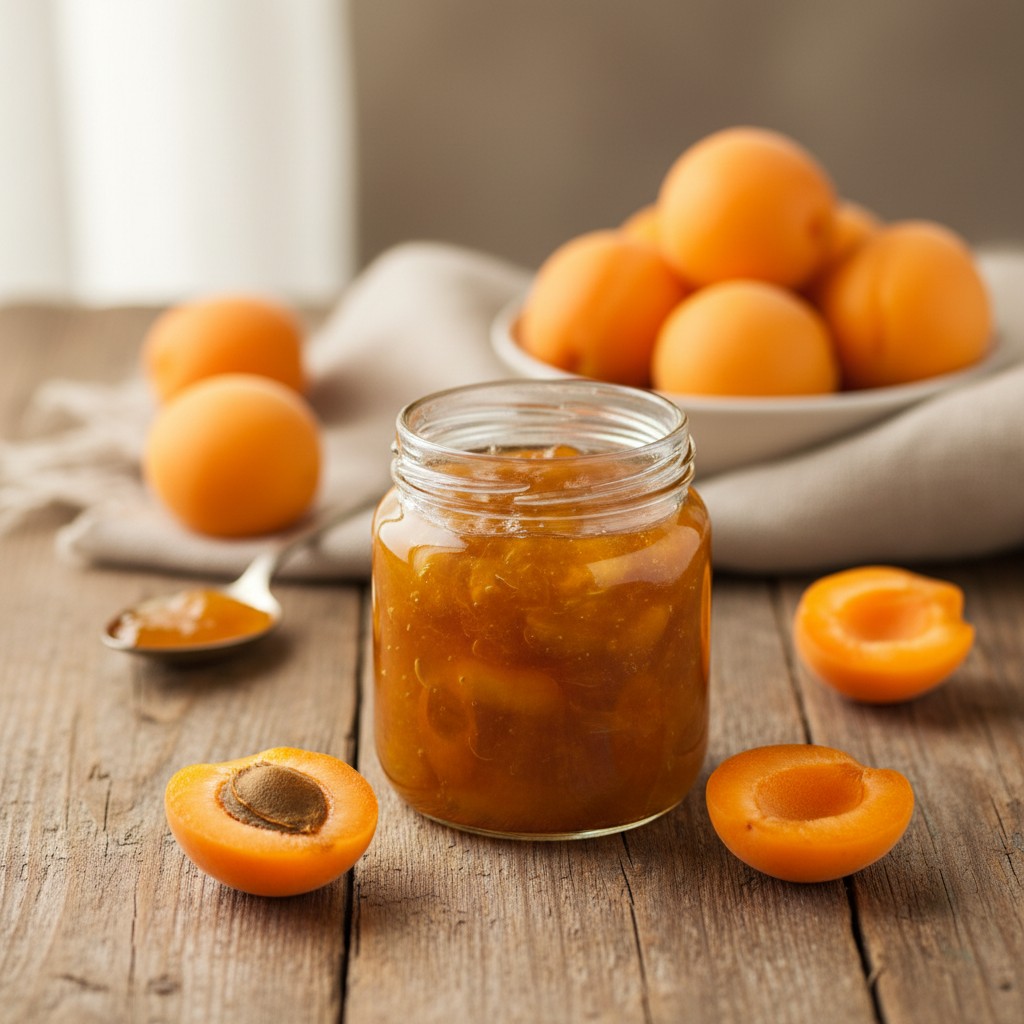
There's nothing quite like the golden glow of homemade apricot jam to brighten your mornings. This recipe is wonderfully simple and yields a truly delectable preserve.
Why You'll Love This Recipe
- Utilises the natural pectin in slightly under-ripe apricots for a perfect set without added pectin.
- The balance of sweet and tart is expertly achieved, allowing the true apricot flavour to shine.
- A clear, step-by-step method ensures success for even novice jam makers, resulting in a beautiful, glossy preserve.
Ingredients
- 1.5 kg ripe but firm apricots
- 1.5 kg granulated sugar
- Juice of 1 large lemon
- 50ml water
Equipment Needed
Large, heavy-bottomed saucepan or preserving pan • Long-handled wooden spoon • Potato masher (optional) • Small saucers (chilled in freezer) • Jam funnel (optional, but very helpful) • Sterilised jam jars with lids • Ladle
Step-by-Step Instructions
- Begin by sterilising your jam jars. Wash them thoroughly in hot, soapy water, rinse well, and place them upside down on a baking tray in a cold oven. Heat the oven to 130°C (110°C fan/Gas 1) and leave them for at least 20 minutes, or until completely dry. Keep them warm in the oven until ready to fill.
- Wash the apricots thoroughly. Halve them and remove the stones. You can peel them if you wish, but I find the skins add lovely texture and colour. If the apricots are very large, you can quarter them.
- Place the prepared apricots into a large, heavy-bottomed saucepan or preserving pan. Add the water and lemon juice. Bring the mixture to a gentle simmer over a medium heat, stirring occasionally, until the apricots have softened – this will take about 10-15 minutes. Mash them lightly with a potato masher if you prefer a smoother jam, or leave them chunkier for a more rustic feel.
- Add the granulated sugar to the pan, stirring gently until it has completely dissolved. This is a crucial step; ensure all the sugar crystals have disappeared before increasing the heat, otherwise your jam might crystallise. You'll notice the mixture becoming clear and glossy.
- Once the sugar has dissolved, bring the jam to a rolling boil. Boil vigorously for 15-25 minutes, stirring occasionally to prevent sticking. Be careful, as the jam will be very hot and can bubble up.
- To test for a set, remove the pan from the heat. Place a teaspoon of jam onto a cold saucer (which you would have placed in the freezer for 5-10 minutes). Let it cool for a minute, then push your finger through it. If the surface wrinkles, it has reached setting point. If not, return the jam to a rolling boil for another 5 minutes and test again. Repeat until setting point is reached.
- Once set, remove the pan from the heat and skim off any foam from the surface with a metal spoon. This ensures a beautifully clear jam.
- Carefully ladle the hot jam into your warm, sterilised jars, filling them almost to the brim. Seal immediately with sterilised lids. As the jam cools, it will create a vacuum seal.
- Allow the jars to cool completely at room temperature. Once cool, label them with the date. Store in a cool, dark place and enjoy the fruits of your labour!
- Remember, the key to success is patience and a keen eye for that perfect setting point. Happy preserving!
How to Store \u0026 Reheat
Store your sealed jars of apricot jam in a cool, dark place, such as a pantry or cupboard, for up to 1 year. Once a jar is opened, it should be stored in the refrigerator and consumed within 4-6 weeks. There is no reheating required for jam; it is best enjoyed at room temperature or slightly chilled from the fridge.
Mary's Secrets to Success
My secret to truly glorious apricot jam lies in selecting the perfect fruit – choose apricots that are ripe but still firm, as these have the best balance of flavour and pectin. Always ensure your sugar is completely dissolved before you bring the jam to a rolling boil; this prevents graininess. And my dears, don't rush the setting test! It's the most important part to ensure you achieve that perfectly wobbly, yet firm, consistency. A little patience at this stage will guarantee sheer perfection!
Frequently Asked Questions
Why didn't my jam set?
There are a few reasons jam might not set. The most common is not boiling it long enough to reach the setting point. Ensure you're doing a proper wrinkle test on a cold saucer. Over-ripe fruit can also have less pectin, affecting the set. Make sure all sugar is dissolved before boiling vigorously.
Can I use frozen apricots?
Yes, you can use frozen apricots! Thaw them completely before using, and drain any excess liquid. The texture might be slightly softer than fresh apricots, but the flavour will still be wonderful. You may need to cook it for a little longer to achieve the set.
How do I prevent mould on my jam?
Mould usually forms due to improper sterilisation of jars or lids, or if the jars aren't sealed properly. Always ensure your jars and lids are thoroughly sterilised and hot when filled. Filling jars almost to the brim and sealing immediately helps create a good vacuum seal. A good sugar-to-fruit ratio is also crucial for preservation.
Do I need to add pectin?
Apricots contain a good amount of natural pectin, especially if they are slightly under-ripe, so you often don't need to add extra. The lemon juice also helps activate the pectin. If you use very ripe fruit or prefer a very firm set, you can certainly add commercial pectin according to its package directions.
What if my jam is too thick?
If your jam has become too thick, it means it was boiled for too long past the setting point. Unfortunately, it's difficult to thin jam once it's cooled and set. For future batches, ensure you start testing for the set as soon as the jam reaches a rolling boil and remove it from the heat promptly once it passes the wrinkle test.
Useful Baking Tools
Wrong tin size, a fan oven, or ingredients in cups or ounces? Convert everything first with our free tools: