Mary Berry Recipes
My Classic Rock Cakes Recipe
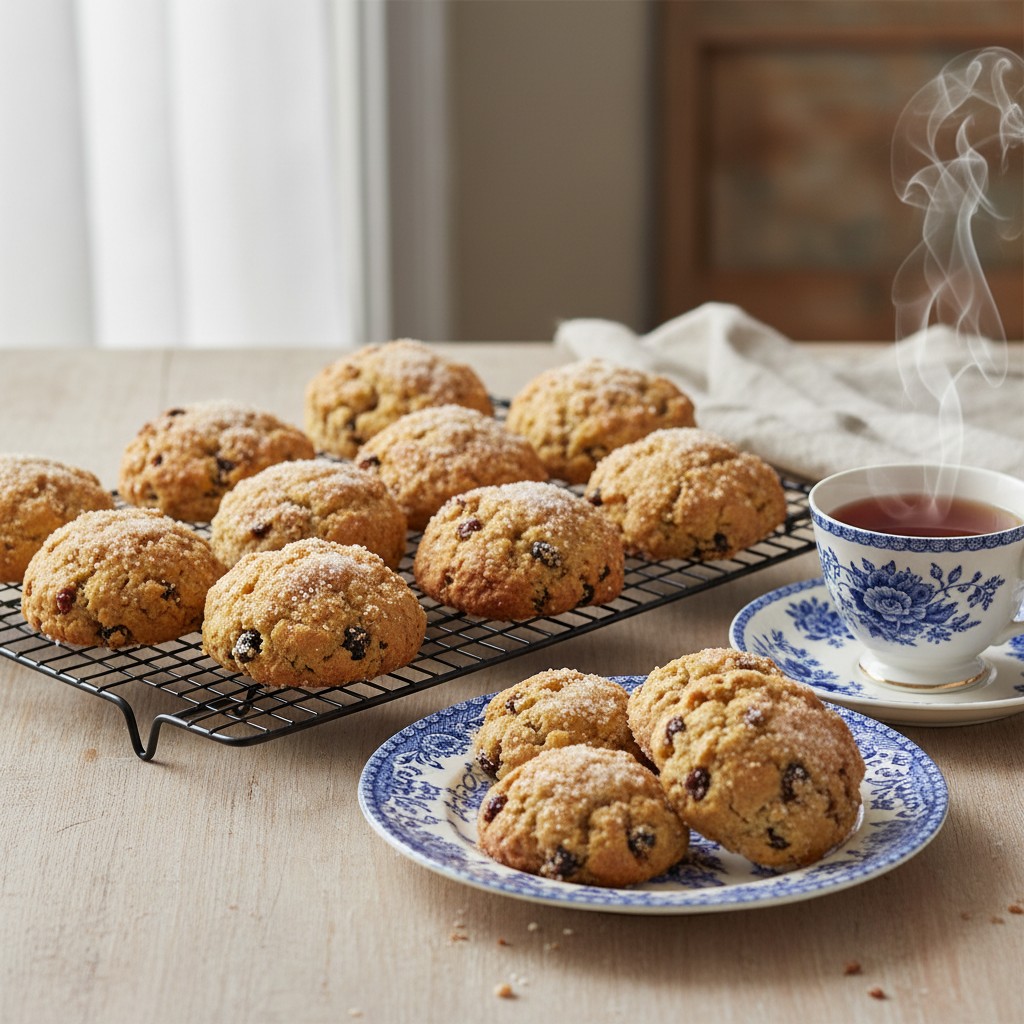
These are wonderfully simple little cakes, with a delightfully craggy, crisp outside and a soft, fruity middle. A perfect bake for an afternoon cup of tea, and so easy the children can help.
Why You'll Love This Recipe
- It's a 'one-bowl' recipe, meaning less washing up and a wonderfully straightforward method.
- The ingredients are simple, everyday pantry staples you likely already have on hand.
- They are incredibly quick to make, going from bowl to baked in under 30 minutes, perfect for unexpected guests.
Ingredients
- 225g (8oz) self-raising flour
- 1 tsp baking powder
- 1/2 tsp mixed spice
- A pinch of salt
- 115g (4oz) butter, cold and cut into small cubes
- 75g (3oz) caster sugar
- 150g (5oz) mixed dried fruit (such as sultanas, currants, and raisins)
- 1 large egg, beaten
- 1-2 tbsp milk
- Demerara sugar, for sprinkling
Equipment Needed
Large mixing bowl • Sieve • Measuring scales • Two baking trays • Baking parchment • Round-bladed knife • Tablespoon or two forks • Wire cooling rack

Step-by-Step Instructions
- Pre-heat your oven to 200°C/180°C Fan/Gas Mark 6. Lightly grease two baking trays or line them with baking parchment.
- Sift the flour, baking powder, mixed spice, and salt into a large mixing bowl. Add the cold, cubed butter.
- Using just your fingertips, rub the butter into the flour until the mixture resembles fine breadcrumbs. Try to do this quickly to keep the mixture cool.
- Stir in the caster sugar and the mixed dried fruit, ensuring everything is evenly distributed.
- In a small jug, beat the egg with 1 tablespoon of milk. Make a well in the centre of your dry ingredients and pour in most of the egg mixture, holding a little back.
- Using a round-bladed knife, mix everything together to form a stiff, slightly sticky dough. If it seems too dry, add the remaining egg mixture or a little more milk. The consistency should be firm enough to hold its shape.
- Using two forks or a tablespoon, spoon rough, craggy heaps of the mixture onto your prepared baking trays. They should be about the size of a golf ball. Leave a little space between them as they will spread slightly.
- Sprinkle the tops generously with demerara sugar. This gives them their signature crunchy topping.
- Bake in the pre-heated oven for 15-20 minutes, or until they are well-risen, golden-brown, and firm to the touch. They should look craggy and rustic – that’s their charm!
- Leave to cool on the baking trays for a few minutes before transferring them to a wire rack to cool completely. They are delicious served warm.
How to Store \u0026 Reheat
Store the cooled rock cakes in an airtight container at room temperature. They will keep for up to 3 days, though they are always at their very best on the day they are made. You can refresh them by popping them into a warm oven for 2-3 minutes, which will bring back some of their lovely crispness.
Mary's Secrets to Success
My Secrets to Success: 1. Use Cold Butter: For that lovely, light texture, your butter must be cold, straight from the fridge. This helps create little pockets of steam as it bakes, making the cakes light rather than heavy. 2. Don't Overmix: Once you add the liquid, bring the dough together quickly with a knife. Overworking the gluten will result in tough cakes, and we want them to be beautifully short and tender. 3. Keep it Rough: Resist the temptation to smooth the mixture into neat balls. The beauty of a rock cake is its rugged, craggy surface which becomes wonderfully crisp upon baking. Simply dollop it onto the tray!
Frequently Asked Questions
Can I freeze rock cakes?
Yes, you can. You can freeze the baked and cooled cakes in a freezer bag or airtight container for up to 3 months. Thaw them at room temperature for a few hours. For the best texture, I recommend warming them in the oven for a few minutes before serving.
Why are my rock cakes flat and not 'craggy'?
This usually happens if the mixture is too wet or has been overmixed. The dough should be quite stiff, not loose like a cake batter. When you spoon it onto the tray, it should be a rough heap. Avoid smoothing it down; the uneven surface is what gives it the classic 'rock' look.
Can I use margarine instead of butter?
For the best flavour and texture, I always recommend using cold, block butter. It gives a shorter, more crumbly texture. However, a hard block margarine can be used as a substitute if necessary.
My mixture seems very dry. Should I add more milk?
The dough should be stiff, but it shouldn't be crumbly and dry. Add the milk a little at a time until the dough just comes together. The amount of liquid needed can vary slightly depending on the size of your egg and the absorbency of the flour.
How do I stop the dried fruit from burning?
The high baking temperature helps the cakes rise quickly and set before the fruit on the surface has a chance to burn. If you find your oven has hot spots and the fruit is catching, you can try turning the oven temperature down by 10°C for the last 5 minutes of baking.