Mary Berry Recipes
Classic Drop Scones
There's something truly special about a freshly made drop scone, a delightful treat that brings a smile to everyone's face. My recipe ensures light, fluffy results every single time, making it wonderfully simple for any home baker.
Why You'll Love This Recipe
- They are incredibly quick to prepare, making them ideal for a spontaneous treat or a speedy breakfast.
- Utilises basic pantry staples, so you likely have everything you need on hand already.
- Versatile enough to be served sweet with fruit and cream, or savoury with bacon and maple syrup.
Ingredients
- 225g (8oz) self-raising flour
- 1 tsp baking powder
- 50g (2oz) caster sugar
- 1 large egg
- 175ml (6fl oz) milk
- Butter, for greasing the pan
Equipment Needed
Large mixing bowl • Whisk • Sieve • Heavy-based frying pan or griddle • Palette knife or spatula • Wire rack
Step-by-Step Instructions
- Begin by sifting the self-raising flour and baking powder into a large mixing bowl. This aeration is crucial for light scones, my dear. Stir in the caster sugar.
- In a separate bowl, lightly whisk the egg with the milk until just combined.
- Make a well in the centre of the dry ingredients and gradually pour in the wet mixture, whisking gently from the centre outwards until you have a smooth, thick batter. Be careful not to overmix; a few small lumps are perfectly acceptable.
- Heat a heavy-based frying pan or griddle over a medium heat. Lightly grease it with a little butter, wiping off any excess with kitchen paper to prevent burning.
- Drop spoonfuls of the batter onto the hot pan, leaving a little space between each scone. I find about two tablespoons per scone is just right for a lovely size.
- Cook for 2-3 minutes on one side, or until small bubbles appear on the surface and the edges look set. Then, with a palette knife or spatula, carefully flip them over.
- Cook for another 1-2 minutes on the second side, until golden brown and cooked through. The inside should be light and springy when gently pressed.
- Remove the cooked drop scones from the pan and place them on a wire rack to cool slightly, or serve them immediately. Repeat with the remaining batter, re-greasing the pan as needed.
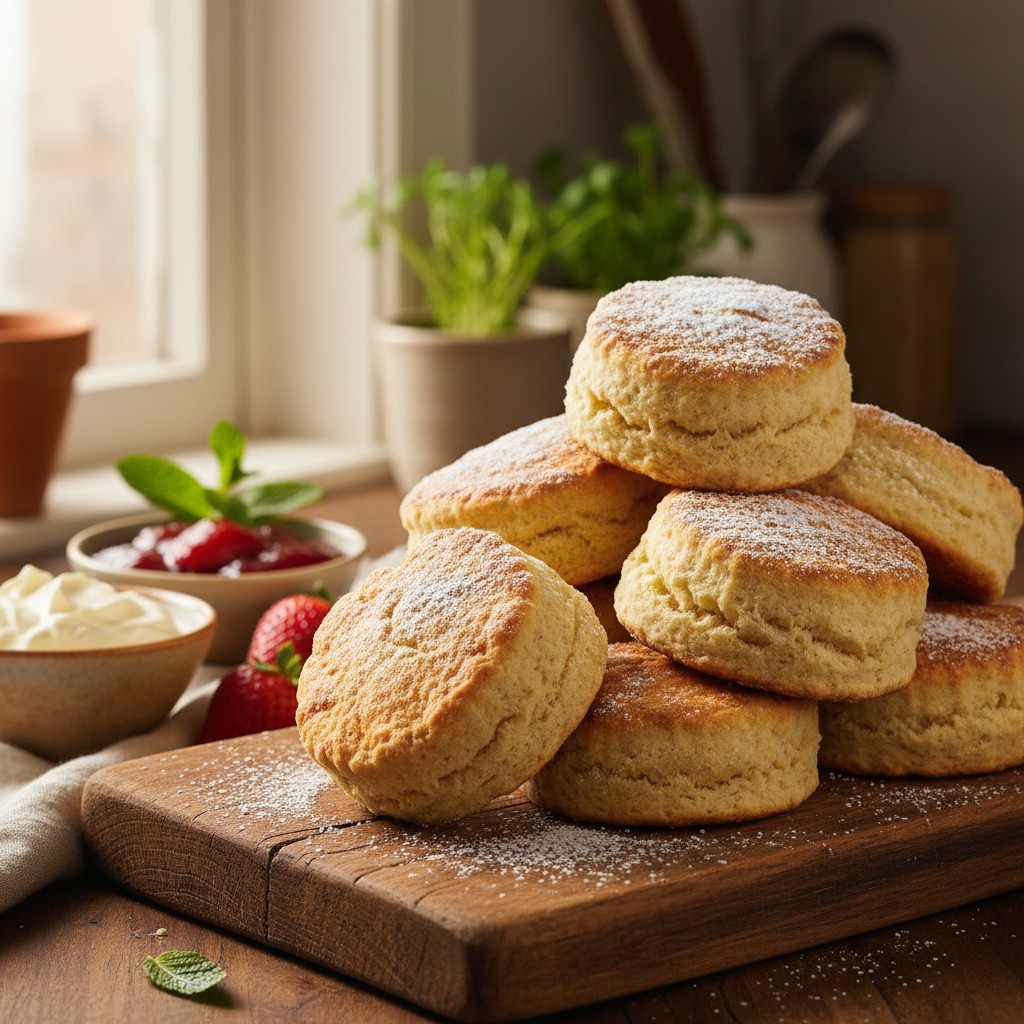
- Serve warm with your favourite accompaniments – perhaps a dollop of jam and cream, or a drizzle of honey. Absolutely delightful!
How to Store \u0026 Reheat
Drop scones are best enjoyed fresh, but any leftovers can be stored in an airtight container at room temperature for up to 2 days. To reheat, simply pop them in a toaster for a minute or two, or warm gently in a dry frying pan until heated through. They can also be frozen for up to 1 month; thaw at room temperature and then reheat as desired.
Mary's Secrets to Success
My top tip for truly wonderful drop scones is to resist the urge to overmix the batter. A light hand will ensure they stay tender and fluffy. Secondly, getting the pan temperature just right is crucial; a medium heat allows them to cook through without burning. And always remember to sift your dry ingredients for that lovely, airy texture. These small details make all the difference, leading to sheer perfection every time!
Frequently Asked Questions
My drop scones aren't fluffy, what went wrong?
Ah, a common query, my dear! The key to fluffy drop scones lies in not overmixing the batter – a gentle hand is best. Overmixing can develop the gluten too much, leading to a tougher texture. Also, ensure your baking powder is fresh, as it's the leavening agent responsible for that wonderful lift. And don't forget to sift your dry ingredients; it adds air and helps prevent lumps.
Can I make the batter ahead of time?
While the scones are truly best when the batter is made and cooked fresh, you can certainly prepare the dry ingredients in advance. If you wish to mix the wet and dry ingredients ahead, I'd suggest doing so no more than an hour or two before cooking, as the baking powder will start to react once wet, and you want to capture all that lovely lift when they hit the pan.
What's the best way to get evenly sized drop scones?
For beautifully uniform drop scones, I find using an ice cream scoop or a consistent measuring spoon (such as a 2-tablespoon measure) works an absolute treat. This way, they'll all cook at the same rate and look perfectly presented on the plate.
My drop scones are burning on the outside but still raw inside, why?
This usually indicates your pan is a little too hot, my dear. Reduce the heat slightly to medium-low. You want a gentle, consistent heat that allows the scone to cook through and become golden brown gradually, rather than scorching the exterior. Patience is a virtue in baking, you see!
Can I add flavourings to the batter?
Oh, absolutely! This is where you can truly make them your own. A little vanilla extract added to the milk is always a lovely touch. Or, for a fruity note, you could gently fold in a handful of fresh blueberries or finely chopped apple after you've mixed the batter. Just be mindful not to overmix once additions are in.