Mary Berry Recipes
Comforting Butternut Squash Soup
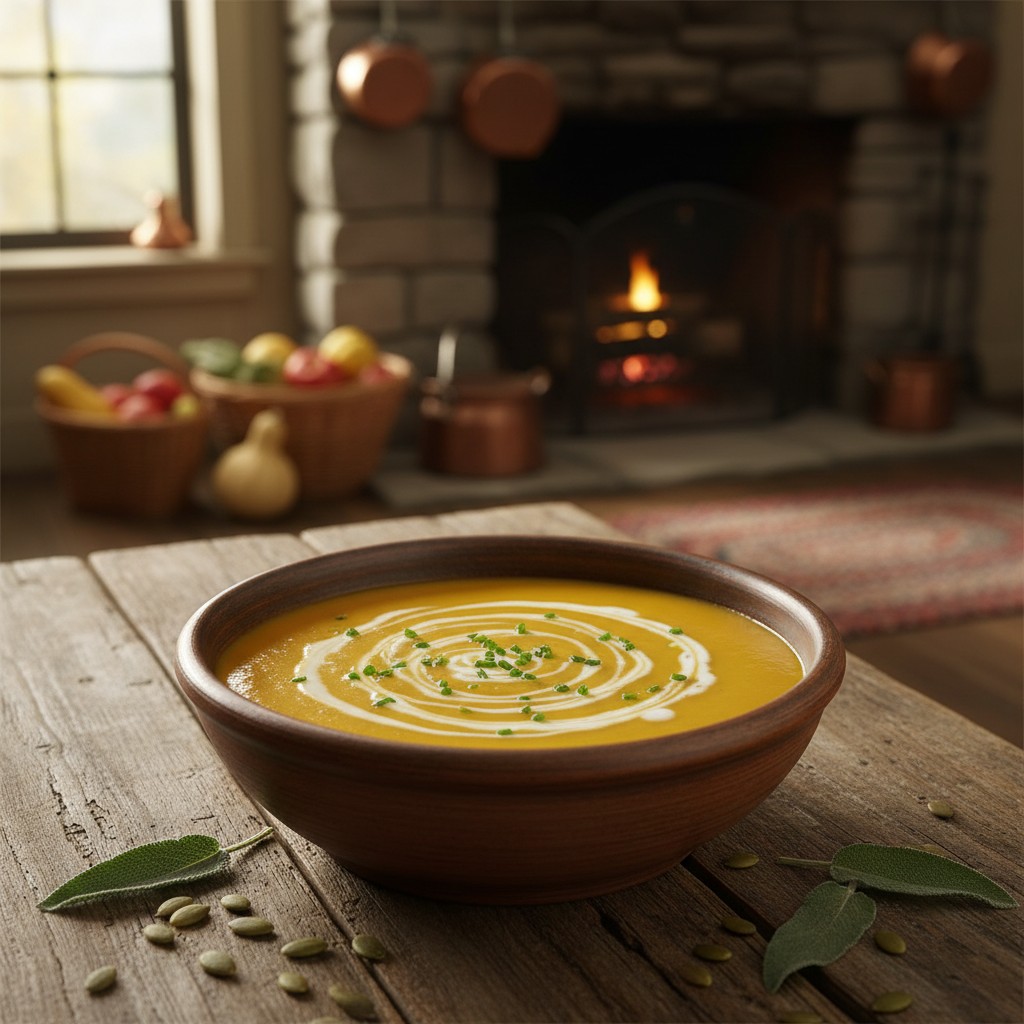
This butternut squash soup is a true delight, offering warmth and wonderful flavour in every spoonful. It's a wonderfully simple dish that brings comfort to the table, perfect for a chilly evening.
Why You'll Love This Recipe
- Roasting the butternut squash first brings out its natural sweetness and creates a deeper, more complex flavour.
- The combination of humble vegetables creates a rich, comforting base without being overly heavy.
- It's incredibly versatile, perfect for various dietary needs, and can be easily adapted to your pantry.
Ingredients
- 1 large butternut squash (about 1.2-1.5kg/2.5-3lb)
- 2 tbsp olive oil
- 1 large onion, chopped
- 2 cloves garlic, crushed
- 1 large carrot, chopped
- 1 stick celery, chopped
- 1 litre (4 cups) vegetable stock
- 100ml (scant ½ cup) double cream (optional, for richness)
- Salt and freshly ground black pepper
- A pinch of nutmeg, freshly grated (optional)
- Fresh chives or parsley, to garnish
Equipment Needed
Large baking tray • Large saucepan or stock pot • Sharp knife • Chopping board • Vegetable peeler • Stick blender (or stand blender) • Measuring jug • Measuring spoons
Step-by-Step Instructions
- Preheat your oven to 200°C (180°C fan/Gas 6). This initial heat is crucial for that lovely caramelisation.
- Carefully peel the butternut squash, scoop out the seeds and stringy bits, and then chop the flesh into even 2-3cm (1-inch) cubes. Try to keep them uniform so they cook evenly.
- Place the squash cubes onto a large baking tray. Drizzle with 1 tablespoon of the olive oil, and season generously with salt and freshly ground black pepper. Toss gently to coat. Roast for 25-30 minutes, or until the squash is beautifully tender and has developed a lovely golden-brown colour around the edges. This roasting step is key to unlocking its full flavour!
- While the squash is roasting, heat the remaining 1 tablespoon of olive oil in a large, heavy-based saucepan or stock pot over a medium heat. Add the chopped onion, carrot, and celery. Cook gently for 8-10 minutes, stirring occasionally, until the vegetables have softened but haven't taken on any colour. We want them translucent and sweet, not browned.
- Stir in the crushed garlic and cook for just another minute until it releases its wonderful aroma. Be careful not to let it burn.
- Now, add the roasted butternut squash to the saucepan along with the vegetable stock. Bring the mixture to a gentle simmer, then reduce the heat, cover the pan, and let it cook for 10-15 minutes. This allows all those lovely flavours to truly meld together.
- Remove the saucepan from the heat. Using a stick blender, carefully blend the soup directly in the pan until it is wonderfully smooth and creamy. If you don't have a stick blender, you can transfer the soup in batches to a regular blender, but do remember to be very cautious when blending hot liquids.
- Stir in the double cream (if you're using it) and a pinch of freshly grated nutmeg. Taste the soup and adjust the seasoning with more salt and pepper as needed. You want it to be just right.
- Gently reheat the soup if necessary, but take care not to boil it once the cream has been added, as it can sometimes split.
- Serve your comforting butternut squash soup piping hot, garnished with a sprinkle of fresh chives or parsley for a touch of colour and freshness. Enjoy!
How to Store \u0026 Reheat
This soup is a joy to have on hand! Any leftovers can be stored in an airtight container in the refrigerator for up to 3-4 days. To reheat, gently warm the soup in a saucepan over a medium heat, stirring occasionally, until it is piping hot all the way through. If it seems a little too thick, you can add a splash of extra vegetable stock or water to reach your desired consistency. This soup also freezes beautifully for up to 3 months; simply thaw overnight in the refrigerator before reheating as directed.
Mary's Secrets to Success
My little trick for the most flavourful butternut squash soup is to always roast the squash first. It brings out a beautiful caramelisation and sweetness that you simply won't get from just boiling. And remember, don't rush the sautéing of the vegetables; allowing them to soften gently forms the foundation of a truly delicious soup. A good seasoning at the end is absolutely key – taste and adjust until it's sheer perfection! It's these small details that elevate a good soup to a truly magnificent one.
Frequently Asked Questions
Can I make this soup dairy-free?
Yes, absolutely! Simply omit the double cream. For a lovely richness, you could substitute it with a plant-based cream alternative like full-fat coconut milk or a dairy-free oat cream, adding it at the very end of cooking.
How can I make this soup spicier?
For a wonderful warmth, you could add a pinch of dried chilli flakes or a little grated fresh ginger when you're sautéing the onions. A teaspoon of mild curry powder or a dash of cayenne pepper also works wonders for a gentle kick.
My soup isn't as thick as I'd like, what can I do?
If you prefer a thicker soup, you can simmer it gently for a little longer, uncovered, to allow some of the liquid to evaporate. Alternatively, you could blend in a small cooked potato or a spoonful of red lentils during the simmering stage for extra body and creaminess.
Do I have to roast the squash first?
While you *can* boil or steam the squash directly in the pot, I truly recommend roasting it. This step caramelises the sugars in the squash, bringing out a depth of sweetness and flavour that boiling simply can't achieve. It's a little extra effort that makes all the difference to the final taste!
What can I use as a garnish if I don't have fresh herbs?
A swirl of crème fraîche or plain yoghurt, a drizzle of good quality extra virgin olive oil or pumpkin seed oil, or a scattering of toasted pumpkin seeds or homemade croutons would all make lovely and delicious garnishes for your soup.
Useful Baking Tools
Wrong tin size, a fan oven, or ingredients in cups or ounces? Convert everything first with our free tools: