Mary Berry Recipes
Classic Irish Soda Bread
This quick and easy soda bread is an absolute joy to bake, requiring no proving time and just a few simple ingredients. It's wonderfully rustic and utterly delicious, perfect for any meal of the day.
Why You'll Love This Recipe
- No yeast required, making it incredibly quick and simple to prepare from start to finish.
- Uses common pantry ingredients, so you can whip up a fresh loaf anytime the craving strikes.
- Delivers a wonderfully rustic, craggy crust and a tender, moist crumb that's simply irresistible.
Ingredients
- 450g (1lb) plain flour, plus extra for dusting
- 1 teaspoon bicarbonate of soda
- 1 teaspoon salt
- 400ml (14 fl oz) buttermilk
Equipment Needed
Large mixing bowl • Sieve • Measuring jug • Baking tray • Sharp knife • Wire rack

Step-by-Step Instructions
- Preheat your oven to 200°C (180°C Fan/Gas Mark 6). Lightly flour a baking tray, ready for your lovely loaf.
- In a large mixing bowl, sift together the plain flour, bicarbonate of soda, and salt. Make sure everything is thoroughly combined – this is key for an even rise and flavour.
- Make a well in the centre of the dry ingredients. Pour in the buttermilk gradually, mixing with one hand or a round-bladed knife until the flour is just incorporated and you have a soft, sticky dough. Be careful not to overmix; just bring it together gently.
- Tip the dough out onto a lightly floured surface. Gently knead for just a minute or two until it forms a round shape. Avoid excessive kneading, as this can develop the gluten too much and make the bread tough.
- Carefully lift the dough onto your prepared baking tray. Using a sharp knife, cut a deep cross into the top of the loaf, extending almost to the edges. This traditional cut helps the bread to cook evenly through the centre and gives it that classic appearance.
- Bake for 35-40 minutes, or until the bread is beautifully golden brown and sounds wonderfully hollow when tapped on the bottom. If it's browning too quickly, you can cover it loosely with foil for the last 10-15 minutes.
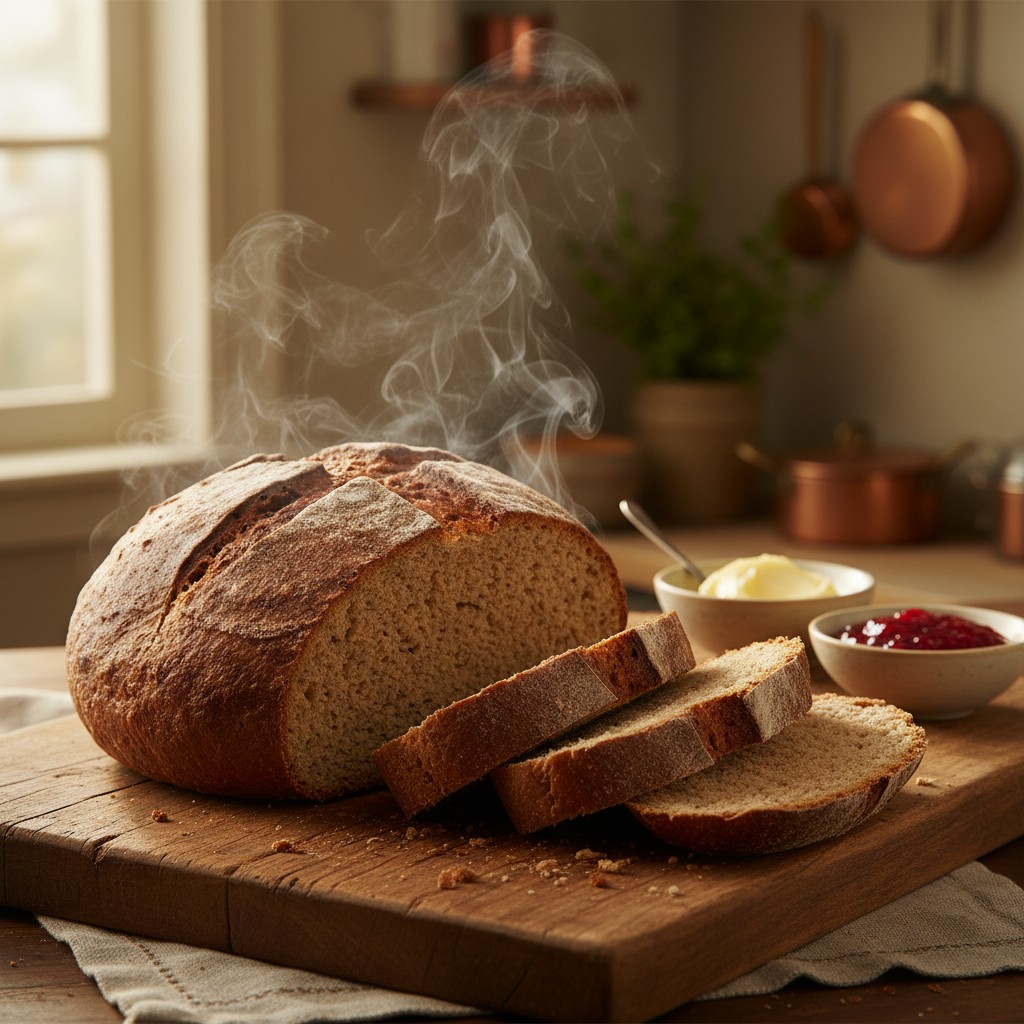
- Transfer the baked soda bread to a wire rack to cool slightly. It's truly at its best when still warm, perhaps with a generous dollop of good quality butter and a spoonful of homemade jam. Enjoy, my dears!
How to Store \u0026 Reheat
Soda bread is truly best enjoyed on the day it's baked, when its crust is crisp and its crumb is tender. If you happen to have any left over, store it in an airtight container at room temperature for up to 2-3 days, though it will become a little drier. To revive it, you can lightly toast slices or warm the whole loaf in a moderate oven for about 10 minutes until warmed through. Freezing is not generally recommended as it can alter the texture considerably.
Mary's Secrets to Success
My dears, the secret to a truly wonderful soda bread lies in a light touch and not overworking the dough. The moment the flour and buttermilk come together, stop mixing! Also, ensure your ingredients, especially the buttermilk, are at room temperature. This encourages a better reaction and a lighter, more tender loaf. And remember, it's best enjoyed warm from the oven – sheer perfection!
Frequently Asked Questions
My soda bread turned out dense and heavy. What went wrong?
Ah, a common query! This usually happens if the dough has been overmixed or kneaded too much. Soda bread relies on the gentle reaction of the bicarbonate of soda and buttermilk, and excessive handling can develop the gluten too much, leading to a tough, dense loaf. Just bring the dough together until it's barely combined, and you'll achieve that lovely, tender crumb.
Can I add other ingredients to this soda bread?
Certainly, my dear! While I adore the classic simplicity, you can certainly add a handful of dried fruits like raisins or currants for a fruit soda bread, or even a sprinkle of oats on top for extra texture. A little grated cheese and a pinch of black pepper can make a savoury version, perfect with soup. Just be mindful not to add too much, as it can affect the dough's consistency.
How do I know when it's perfectly baked?
The best way to tell if your soda bread is ready is by tapping the bottom of the loaf. It should sound wonderfully hollow, indicating it's cooked through. It will also have a beautiful golden-brown crust. If it looks done but doesn't sound hollow, it might need a few more minutes in the oven to ensure it's cooked through to perfection.
Why do you cut a cross on top?
That lovely cross isn't just for decoration, though it does look rather traditional, doesn't it? It serves a very practical purpose: it helps the heat penetrate the centre of the loaf more effectively, ensuring it cooks evenly throughout. And, as some old traditions say, it's also to let the 'fairies out' or to bless the bread!
My soda bread doesn't rise much. Any tips?
A good rise is important for that lovely texture. Firstly, ensure your bicarbonate of soda is fresh and active – it loses its potency over time. Also, make sure your buttermilk is at room temperature, as this helps with the chemical reaction. And as I mentioned, avoid overmixing; a light hand is key to a good lift and a beautifully airy loaf!