Mary Berry Recipes
Mary Berry's Ultimate Lemon Drizzle Cake
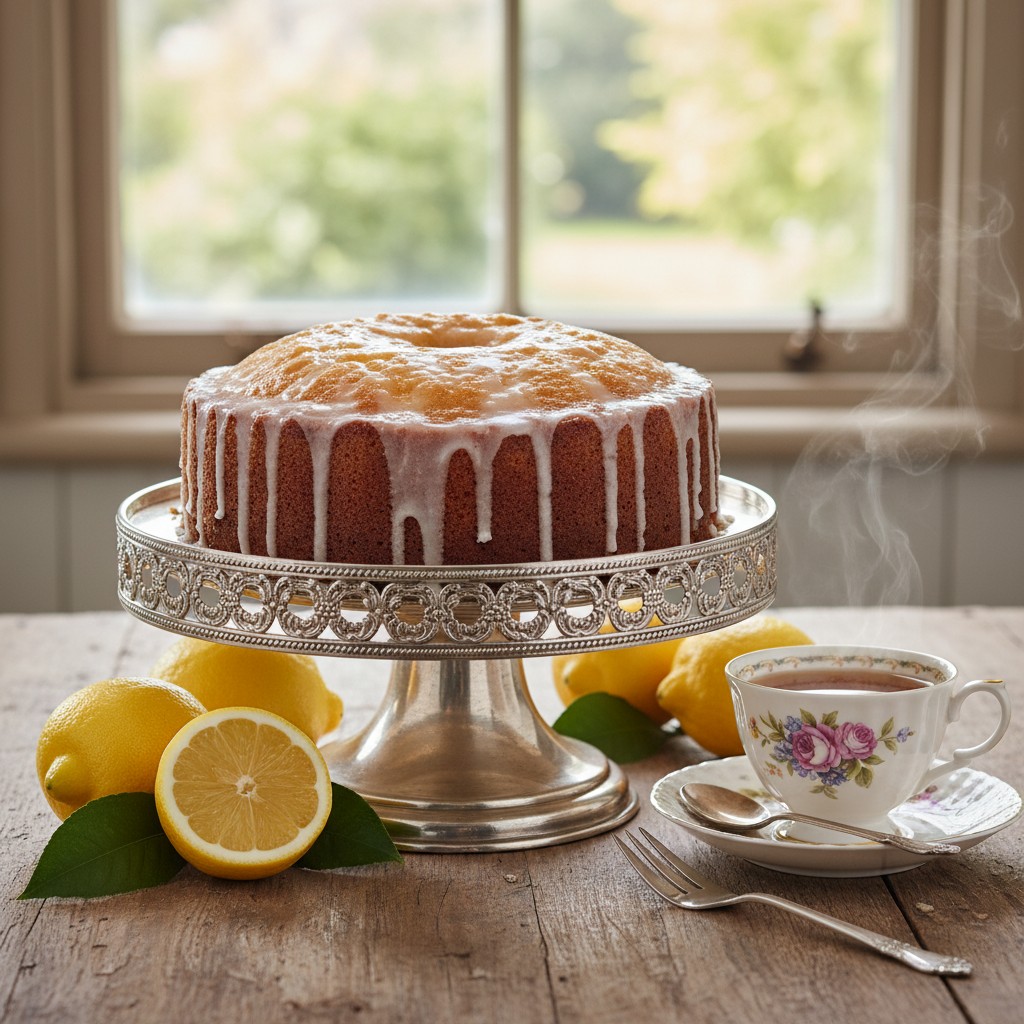
There's something utterly delightful and truly timeless about a perfectly baked lemon drizzle cake, isn't there? This recipe promises a wonderfully moist sponge with a zesty, crunchy topping that's sheer perfection for any occasion.
Why You'll Love This Recipe
- The 'all-in-one' method makes this cake wonderfully simple and virtually foolproof for bakers of all levels.
- The generous lemon drizzle soaks beautifully into the warm cake, ensuring a moist crumb and a delightful tangy flavour.
- It uses readily available ingredients, proving that extraordinary flavour doesn't require extraordinary effort.
Ingredients
- For the Cake:
- 225g (8oz) self-raising flour
- 1 tsp baking powder (if using plain flour, add 2 tsp total)
- 225g (8oz) caster sugar
- 225g (8oz) softened butter or baking margarine
- 4 large eggs
- Zest of 2 large lemons
- 2 tbsp milk
- For the Drizzle:
- 100g (3½oz) granulated sugar
- Juice of 2 large lemons (approximately 4-5 tbsp)
Equipment Needed
20cm (8-inch) round springform cake tin or 2lb loaf tin • Baking parchment • Large mixing bowl • Electric hand whisk or stand mixer • Spatula or wooden spoon • Skewer or cocktail stick • Small bowl • Wire cooling rack

Step-by-Step Instructions
- Preheat your oven to 160°C (140°C fan/Gas Mark 3). Grease and line a 20cm (8-inch) round springform cake tin, or a 2lb loaf tin, with baking parchment. This ensures your beautiful cake comes out perfectly without sticking.
- For the cake mixture, simply place all the cake ingredients – the self-raising flour, caster sugar, softened butter, eggs, lemon zest, and milk – into a large mixing bowl. A food mixer or an electric hand whisk will make this wonderfully quick and easy.
- Beat the mixture together until it is light, fluffy, and well combined. Be careful not to overmix, my dears; just until it's smooth and pale yellow. Overmixing can sometimes make a cake a little tough, and we want sheer perfection!
- Spoon the cake mixture evenly into your prepared tin and gently level the top with the back of a spoon or a small palette knife. Give the tin a little tap on your work surface to settle the mixture.
- Bake in the preheated oven for 40-45 minutes, or until the cake is golden brown, well risen, and a skewer inserted into the centre comes out clean. Every oven is a little different, so do keep an eye on it.
- While the cake is still warm in its tin, prepare the drizzle. In a small bowl, mix together the granulated sugar and the fresh lemon juice until the sugar has mostly dissolved.
- Once the cake is out of the oven, immediately pierce the top all over with a skewer or a cocktail stick. Don't be shy, as this allows that glorious lemon drizzle to seep right into the sponge.
- Carefully spoon the lemon drizzle evenly over the warm cake. The sugar will form a lovely crisp crust as it cools, giving you that delightful texture we all adore.
- Allow the cake to cool completely in the tin before carefully removing it and transferring it to a wire rack. This helps prevent any breakages and allows the cake to firm up beautifully. Slice and serve with a lovely cup of tea – simply divine!
How to Store \u0026 Reheat
This cake stores wonderfully well. Once completely cooled, it can be kept in an airtight container at room temperature for up to 3-4 days. There's no need to refrigerate it, as this can sometimes dry out the sponge. I don't typically recommend reheating it, as it's truly best enjoyed at room temperature, allowing the flavours and textures to shine. If you wish to freeze it, wrap the cooled cake tightly in cling film and then foil, and it will keep in the freezer for up to 3 months. Thaw completely at room temperature before serving.
Mary's Secrets to Success
For sheer perfection, ensure all your ingredients are at room temperature before you begin. This allows them to combine much more smoothly, giving you a beautiful, even batter. Don't be tempted to open the oven door too early, as this can cause the cake to sink. And remember, the magic of the drizzle happens when the cake is warm, so be ready to pour it over as soon as it's out of the oven!
Frequently Asked Questions
My cake came out dry. What went wrong?
Oh dear, a dry cake can be disheartening! This usually happens if the cake has been overbaked. Every oven varies, so always keep a close eye towards the end of the baking time. Also, ensure your butter is truly softened, and all ingredients are at room temperature, as this helps them emulsify properly, leading to a moister crumb. And don't forget that lovely drizzle – it's key to keeping it moist!
Can I make this cake gluten-free?
Absolutely, my dear! You can certainly adapt this recipe to be gluten-free. Simply substitute the self-raising flour with a good quality gluten-free self-raising flour blend, ensuring it contains xanthan gum (or add a quarter teaspoon if it doesn't). The method remains precisely the same, and you'll still achieve a wonderfully light and zesty bake.
How do I get a really good, crunchy drizzle topping?
The secret to that glorious crunchy topping is to apply the drizzle when the cake is still warm, straight out of the oven. The warmth helps the sugar dissolve and then crystallise as it cools, forming that delightful crust. Also, don't skimp on the granulated sugar in the drizzle mixture – it's essential for that lovely texture!
Can I use bottled lemon juice instead of fresh?
While fresh lemon zest and juice will always give you the most vibrant and authentic flavour, you can certainly use bottled lemon juice in a pinch for the drizzle. However, for the cake batter itself, I do highly recommend using fresh lemon zest; it imparts a wonderful aromatic quality that bottled juice simply can't replicate. It truly makes all the difference, don't you know.
My cake sunk in the middle. Why?
Oh, that can be a little frustrating! A sunken middle often indicates that the oven door was opened too soon during baking, causing a sudden drop in temperature, or that the cake wasn't quite fully baked through when removed from the oven. Resist the temptation to peek until at least three-quarters of the way through the cooking time, and always test with a skewer to ensure it comes out clean.