Mary Berry Recipes
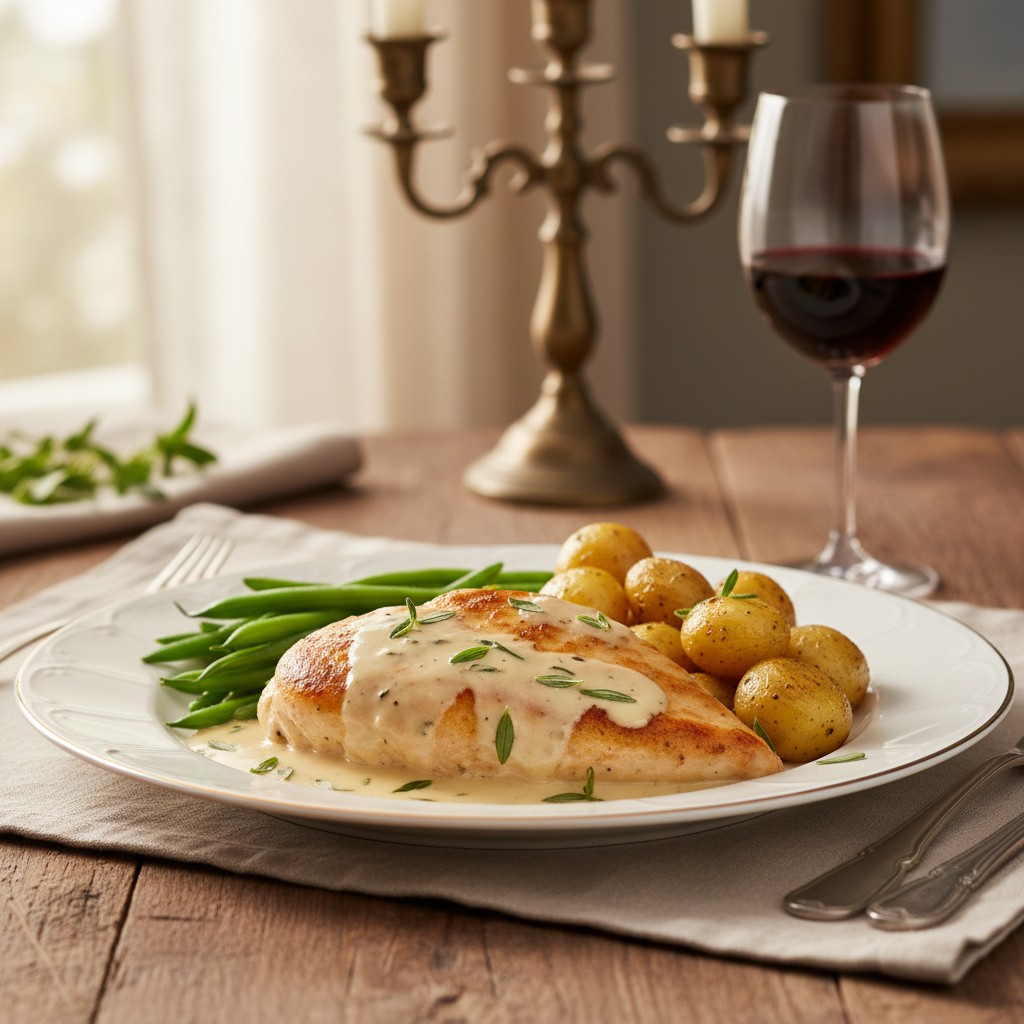
Classic Creamy Tarragon Chicken
This truly delightful creamy tarragon chicken is a dish that always brings a smile to the table, offering comfort and sophistication in every bite. It’s wonderfully simple to prepare, yet tastes utterly divine, making it a real family favourite.
Why You'll Love This Recipe
- Uses readily available ingredients for an elegant result.
- The distinctive tarragon flavour transforms simple chicken into a gourmet meal.
- It's a versatile dish, perfect for both quick weeknight dinners and entertaining guests.
Ingredients
- 4 boneless, skinless chicken breasts (or 8 chicken thighs, skin on, bone in, for more flavour)
- 1 tbsp olive oil
- 25g butter
- 1 large onion, finely chopped
- 2 cloves garlic, crushed
- 200ml dry white wine (or chicken stock for alcohol-free)
- 200ml chicken stock
- 150ml double cream
- 3 tbsp fresh tarragon, finely chopped (plus extra for garnish)
- 1 tbsp Dijon mustard
- Salt and freshly ground black pepper to taste
- Optional: 1 tbsp plain flour (if you prefer a thicker sauce)
Equipment Needed
Large, heavy-based frying pan or shallow casserole dish with a lid • Chopping board • Sharp knife • Wooden spoon • Measuring jug • Measuring spoons
Step-by-Step Instructions
- Prepare the Chicken: If using chicken breasts, pat them dry with kitchen paper. If they are very thick, you might want to slice them horizontally to create two thinner cutlets, ensuring they cook evenly. Season generously with salt and pepper.
- Brown the Chicken: Heat the olive oil in a large, heavy-based frying pan or shallow casserole dish over a medium-high heat. Add the chicken breasts and cook for 3-4 minutes on each side until beautifully golden brown. You’re not cooking them through entirely at this stage, just getting that lovely colour. Remove the chicken from the pan and set aside.
- Sauté Aromatics: Reduce the heat to medium. Add the butter to the pan. Once melted, add the finely chopped onion and cook gently for 5-7 minutes, stirring occasionally, until softened and translucent. Add the crushed garlic and cook for another minute until fragrant, being careful not to burn it.
- Deglaze and Build Sauce Base: Pour in the white wine (or chicken stock) and bring to a simmer, scraping up any delicious browned bits from the bottom of the pan with a wooden spoon. Let it bubble gently for 2-3 minutes to reduce slightly and allow the alcohol to evaporate.
- Add Stock and Cream: Stir in the chicken stock and bring back to a gentle simmer. If you'd like a slightly thicker sauce, now is the time to whisk in a tablespoon of plain flour with a little of the stock before adding the rest. Reduce the heat to low, then pour in the double cream and stir well.
- Introduce Tarragon and Mustard: Add the Dijon mustard and most of the fresh tarragon (saving a little for garnish). Stir everything together until well combined. Taste the sauce and adjust seasoning with salt and pepper as needed.
- Simmer the Chicken: Return the browned chicken breasts to the pan, nestling them into the sauce. Ensure they are largely submerged. Cover the pan with a lid and let it simmer gently for 10-15 minutes, or until the chicken is cooked through and tender. The cooking time will vary depending on the thickness of your chicken.
- Rest and Serve: Once cooked, remove the chicken from the pan and allow it to rest for a few minutes. Give the sauce a final stir. Serve immediately, garnishing with the remaining fresh tarragon. Delicious with new potatoes or a simple green salad!
How to Store \u0026 Reheat
Should you be lucky enough to have any left over, this dish stores beautifully. Allow the chicken and sauce to cool completely, then transfer to an airtight container and refrigerate for up to 2-3 days. To reheat, gently warm the chicken and sauce in a saucepan over a low heat, adding a splash of stock or cream if the sauce has thickened too much. Stir occasionally until piping hot throughout. Alternatively, you can reheat individual portions in the microwave, ensuring it’s thoroughly heated.
Mary's Secrets to Success
My dears, for that truly professional finish, always pat your chicken dry before browning – this ensures a beautiful golden crust. Don't skimp on the fresh tarragon; its unique flavour is the star here. And remember, when adding the cream, keep the heat low and gentle; we want a luscious, un-split sauce. A little patience in the kitchen always yields the most delicious rewards!
Frequently Asked Questions
Can I use chicken thighs instead of breasts?
Absolutely, my dear! Chicken thighs, especially with the bone in and skin on, will add even more flavour and richness to the dish. Just be sure to brown them well and adjust the simmering time, as they may take a little longer to cook through completely.
What if I don't have fresh tarragon?
While fresh tarragon truly makes this dish sing, you can use dried tarragon as a substitute. Use about 1 teaspoon of dried tarragon for every tablespoon of fresh, and add it with the stock so it has time to rehydrate and release its flavour. Do try to get fresh next time though, it's worth it!
How do I prevent the sauce from splitting?
The key to a lovely, smooth sauce is to ensure you don't boil it vigorously once the cream has been added. Keep the heat low and let it simmer gently. If it does look like it's separating, take it off the heat immediately and whisk vigorously, or try adding a tiny splash of cold water or cream to bring it back together.
Can I make this dish ahead of time?
You certainly can! The sauce can be made a day in advance and stored in the fridge. You could even brown the chicken ahead of time. Then, on the day of serving, simply reheat the sauce gently, add the chicken, and simmer until cooked through. It's a wonderful make-ahead option for entertaining.
What kind of white wine should I use?
A dry white wine is best for this recipe, something you'd enjoy drinking yourself! A Sauvignon Blanc, Pinot Grigio, or even a dry vermouth would work beautifully. Avoid anything too sweet, as it will alter the flavour profile of the sauce. If you prefer not to use wine, chicken stock is a perfectly good substitute.