Mary Berry Recipes
Homemade Ezekiel Bread: A Wholesome Loaf
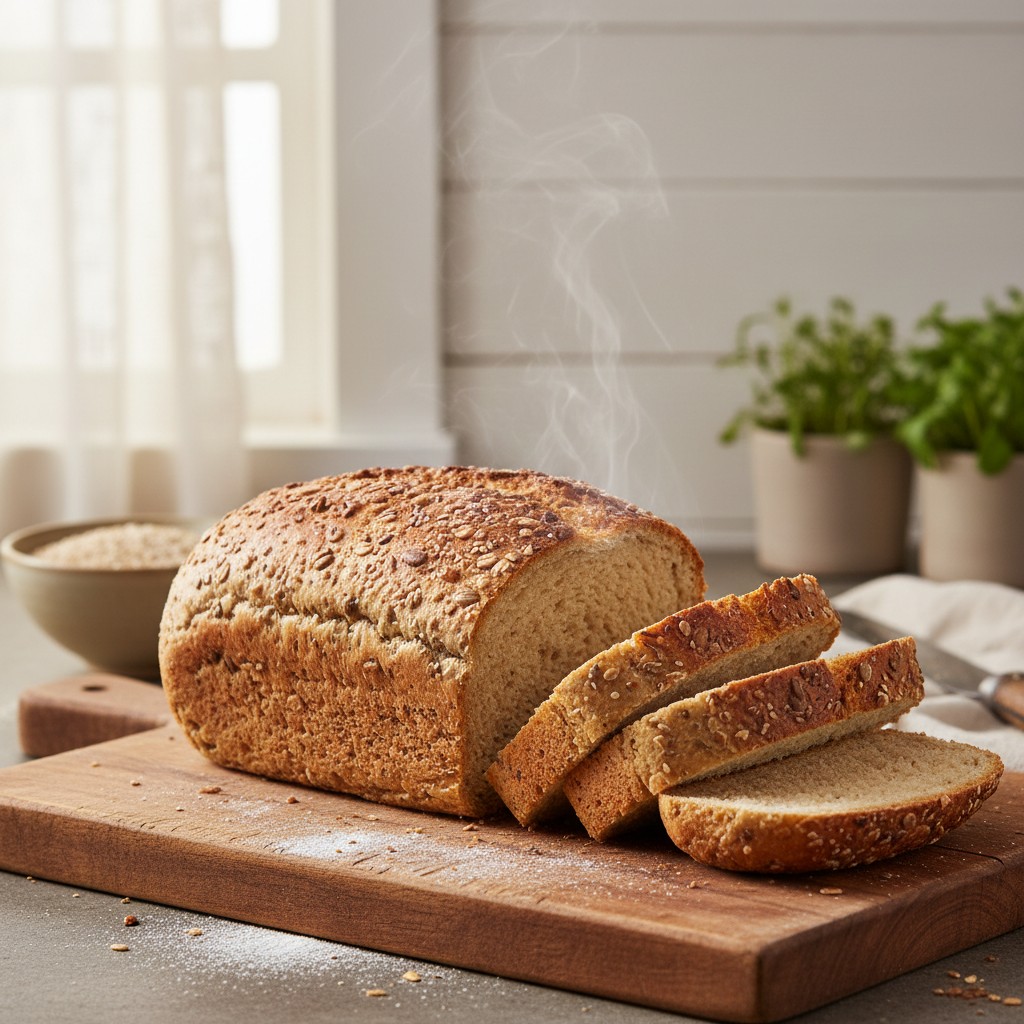
Today, we're making a truly wholesome loaf inspired by ancient traditions. This Ezekiel-style bread is packed with goodness, offering a hearty texture and nourishing flavour that's simply wonderful.
Why You'll Love This Recipe
- This recipe uses a blend of whole grain flours and lentils, mirroring the diverse nutritional profile of traditional Ezekiel bread, making it exceptionally nourishing.
- By focusing on readily available flours, we achieve a wonderful depth of flavour and hearty texture that is both satisfying and delightfully wholesome for the home baker.
- It's a fantastic way to enjoy a truly healthy bread, packed with fibre and nutrients, without the complexity of traditional multi-grain sprouting from scratch.
Ingredients
- 200g (1 ¾ cups) whole wheat flour
- 100g (¾ cup) barley flour
- 100g (¾ cup) spelt flour
- 50g (½ cup) millet flour
- 50g (¼ cup) red lentil flour (or finely ground red lentils)
- 7g (2 ¼ teaspoons) active dry yeast
- 1 teaspoon fine sea salt
- 350ml (1 ½ cups) warm water (around 40-45°C / 105-115°F)
- 2 tablespoons honey or molasses
- 1 tablespoon olive oil, plus extra for greasing
Equipment Needed
Large mixing bowl • Measuring cups and spoons • Jug • Wooden spoon or stand mixer with dough hook • Clean tea towel or cling film • 900g (2lb) loaf tin • Wire cooling rack

Step-by-Step Instructions
- In a large mixing bowl, combine the whole wheat flour, barley flour, spelt flour, millet flour, red lentil flour, active dry yeast, and fine sea salt. Whisk them together thoroughly to ensure the yeast and salt are evenly distributed.
- In a separate jug, mix the warm water with the honey or molasses until dissolved. Add the tablespoon of olive oil to the wet ingredients.
- Pour the wet ingredients into the dry ingredients. Using a sturdy wooden spoon or your hands, mix until a shaggy, cohesive dough forms. Turn the dough out onto a lightly floured surface.
- Knead the dough for 10-12 minutes until it becomes smooth and elastic. Whole grain doughs can be a little stiffer, so put some effort into it! If using a stand mixer with a dough hook, knead for 8-10 minutes on medium-low speed.
- Lightly grease the large mixing bowl with a little olive oil. Place the kneaded dough in the bowl, turning it once to coat. Cover the bowl with a clean tea towel or cling film and leave it in a warm place to rise for 1 to 1 ½ hours, or until it has doubled in size. This is the first prove, and patience here will lead to a lovely texture.
- Once doubled, gently punch down the dough to release the air. Turn it out onto a lightly floured surface and shape it into a neat loaf. You can either form a traditional oval loaf or gently roll it into a rectangle and then roll it up tightly to fit into a loaf tin.
- Lightly grease a 900g (2lb) loaf tin. Place the shaped dough into the prepared tin. Cover the tin again with a tea towel and let it rise for a second prove in a warm place for another 30-45 minutes, or until it has risen nicely above the rim of the tin.
- Preheat your oven to 200°C (180°C fan / Gas Mark 6) about 15-20 minutes before the end of the second prove. Once the oven is hot and the dough has risen, place the loaf tin into the preheated oven.
- Bake for 35-40 minutes, or until the crust is golden brown and the loaf sounds hollow when tapped on the bottom. If the top is browning too quickly, you can loosely tent it with foil.
- Carefully remove the loaf from the tin and transfer it to a wire rack to cool completely before slicing. This is crucial for the texture to set properly. Enjoy your wonderfully wholesome homemade Ezekiel-style bread!
How to Store \u0026 Reheat
Once completely cooled, this Ezekiel-style bread will keep well for 3-4 days at room temperature in an airtight container or a bread bin. For longer storage, slice the loaf and freeze the slices in a freezer-safe bag for up to 3 months. You can toast slices directly from frozen, or thaw them at room temperature for an hour or two. Reheating a whole loaf is best done by wrapping it in foil and warming it in a moderate oven (160°C/140°C fan/Gas Mark 3) for about 10-15 minutes, until warmed through.
Mary's Secrets to Success
For a truly beautiful crust, a little steam in the oven can work wonders. You can achieve this by placing a shallow tray of hot water on the bottom shelf of your oven during the first 10-15 minutes of baking. And remember, my dears, always allow your bread to cool completely on a wire rack; this prevents a soggy bottom and ensures the texture is sheer perfection when you slice into it!
Frequently Asked Questions
What makes this 'Ezekiel-style' bread?
Traditional Ezekiel bread is made from sprouted grains (wheat, barley, spelt, millet, and lentils/soybeans). My recipe uses a blend of these whole grain flours and ground lentils to capture the unique nutritional profile and hearty texture, making it more accessible for home baking without the multi-day sprouting process.
Can I use a bread machine for this recipe?
Yes, you can! Place all the wet ingredients into the bread machine pan first, followed by the dry ingredients, with the yeast on top. Select the 'Whole Wheat' or 'Basic' cycle, and choose your preferred crust setting. The dense nature of whole grains might require a slightly longer cycle if your machine has that option.
Why is my whole grain bread so dense?
Whole grain flours contain the bran and germ, which can inhibit gluten development compared to white flour, often resulting in a denser crumb. Ensuring thorough kneading, proper rising in a warm environment, and not over-baking will help achieve the best possible texture for this wholesome loaf.
Can I add seeds or nuts to this bread?
Absolutely, dear! A sprinkle of sunflower seeds, pumpkin seeds, or chopped walnuts would add a lovely crunch and extra nutrition. You can mix them into the dough during the last few minutes of kneading, or sprinkle them on top before the second prove.
Is this bread suitable for vegans?
Yes, this recipe can easily be made vegan. Simply substitute the honey for an equal amount of maple syrup or molasses. All other ingredients are plant-based, making it a wonderful vegan option.